
Your cart is currently empty!
My Favorite Varieties: Tomatoes

Get updated by email whenever there’s a new post
Choosing tomato varieties is tricky business. I’ve trialed a lot of popular and obscure tomatoes over the past decade in our gardens. The thing I’ve learned is that our microclimates will ultimately determine how a tomato grows and tastes in each of our gardens.
Also, I’ve found, as someone who only consumes vine-ripened organic, homegrown tomatoes, my idea of a good tasting tomato does not resemble what the general public thinks of as a tasty tomato. It’s happened to me again and again with people visiting our gardens.
So with that, I give you my top tomato varieties for each tomato type as well as what tomatoes I’ve tried and canceled. And I encourage you to keep exploring and develop a go-to list with a deep bench for when you feel like changing things up.
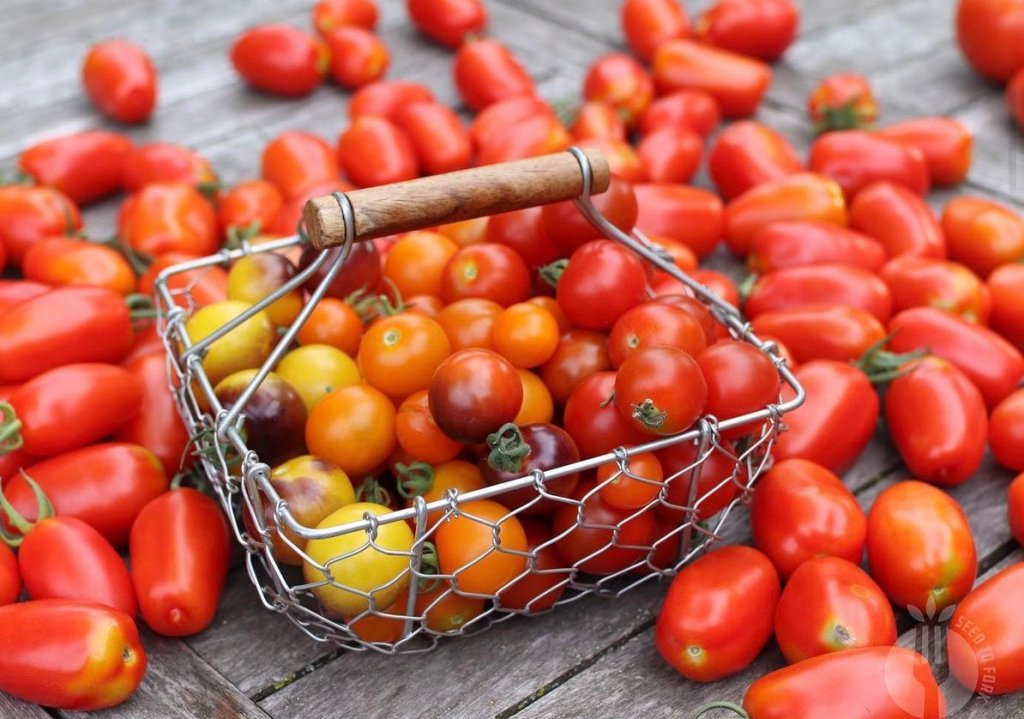
Cherry + Grape Tomatoes
Sun Golds are our standard cherry tomato, and one of the only hybrid tomatoes we grow. It can be disease prone, but the flavor is unlike any other tomato out there and worth it in our opinion. If I could only grow one tomato in a small patio garden, it would be this tomato.
I like to grow a few different shapes and colors of cherry tomatoes for visual interest, and I started growing yellow pear this year to fit that bill. It’s a family favorite on my husband’s side, and he immediately exclaimed, “My grandfather used to grow this!” when he saw them fruiting on our deck; it’s why I grew them.
I don’t have a favorite red cherry tomato at the moment, and may keep searching. I’ve tried Sweet 100, Sweetie, and Colombianum Wildform. I’m pretty sure Sun Gold’s extra sweetness makes all other cherry tomatoes taste bland, and it sort of is an actual problem.
I’d ideally have a green or purple variety too, for a full rainbow effect, but our canned tomato garden takes precedence over that somewhat superfluous goal.
Cherry tomatoes I’ve trialed and quickly divorced include the Berry series from Wild Boar Farms. I have a theory about his tomatoes: they are bred and grown in a very different climate and with our generally, though more and more erratic, wetter summers than the west coast, I think our summer rains may dilute the flavor of these somewhat beloved tomatoes. Are they beloved for their dark shoulders, or do they really taste spectacular to some? It was one and done for me, though they were extremely prolific. (Just writing about them makes me want to give them another try, a problem only gardeners truly understand.)

This was the year I grew Blue Berries, Gold Berries, Sweetie, and Sun Gold together. An incredibly beautiful image, but a bowl largely lacking flavor. A reminder to choose your goals for what you grow and be clear with how you assess what’s working for you.
For 2023, I plan to grow 4 cherry tomatoes (I had 7-10 this year, if you count the 3 Piennolo del Vesuvios): 2 Sun Golds, 1 Yellow Pear, and 1 other cherry, possibly Sweetie or Piennolo del Vesuvio.
Cherry Varieties We’ve Grown
- Sun Gold
- Tigerella
- Midnight Pear
- Blue Berries
- Gold Berries
- Sunrise Bumblebee
- Sweet Million
- Sweetie
- Yellow Pear
- Blush
- Colombianum Wildform
- Brad’s Atomic Grape
Winners: Sun Gold, Yellow Pear
Losers: Berry series (too bland and watery for us), Sunrise Bumblebee (texture was all wrong), and Blush (tough skin)
Neutral: Sweet Million, Colombianum Wildform, Brad’s Atomic Grape, Tigerella, and Sweetie
Beefsteaks + Slicers
This is a very difficult group of tomatoes to narrow down. Each winter I seem to find a new variety to trial and, at the same time, I’ve already committed to grow fewer. This summer I grew 7 beefsteak varieties and I’m cutting at least 3 of them for next year due to various issues: Green Giant, Berkeley Tie Dye, and possibly Pink Berkeley Tie Dye. I had quite a bit of fruit rot develop on the vine for the Berkeley Tie Dye and Green Giants, so I’m sunsetting those varieties. I would bring back Berkeley Tie Dye again in the future as it’s color is quite unique (deep red and green mottled flesh), but for now it’s goodbye. Afternoon Delight didn’t perform per usual this year, largely lacking its beautiful dark shoulders and so it’s on the chopping block for next year too, which is too bad because it, too, has gorgeous mottled interior flesh.
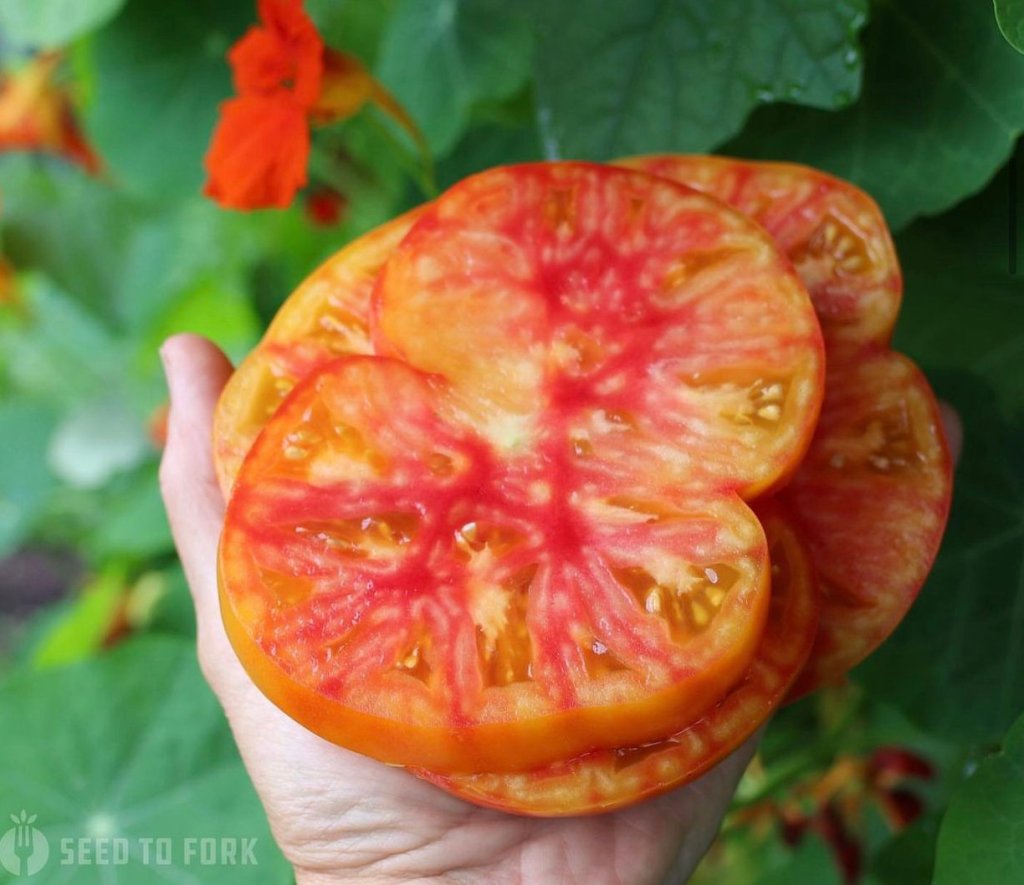
The interior of an Afternoon Delight, a yellow-skinned fruit with deep purple shoulders. It amazed me for the first 2 years and then this year didn’t quite live up to its previous years’ productivity. It’s still on my favorites list though, because I believe this year was an exception.
I fell in love with Whittemore Heirloom this summer. It’s a brandywine-type beefsteak and it was very productive and so meaty. It’s a keeper, a massive pink tomato! I also really love Paul Robeson. That tomato is another keeper, and was extraordinarily productive this summer too. It’s a deep burgundy color, with a smoky flavor. So I want to keep growing either Afternoon Delight or bring back Orange Strawberry for some yellow color in our larger tomatoes.
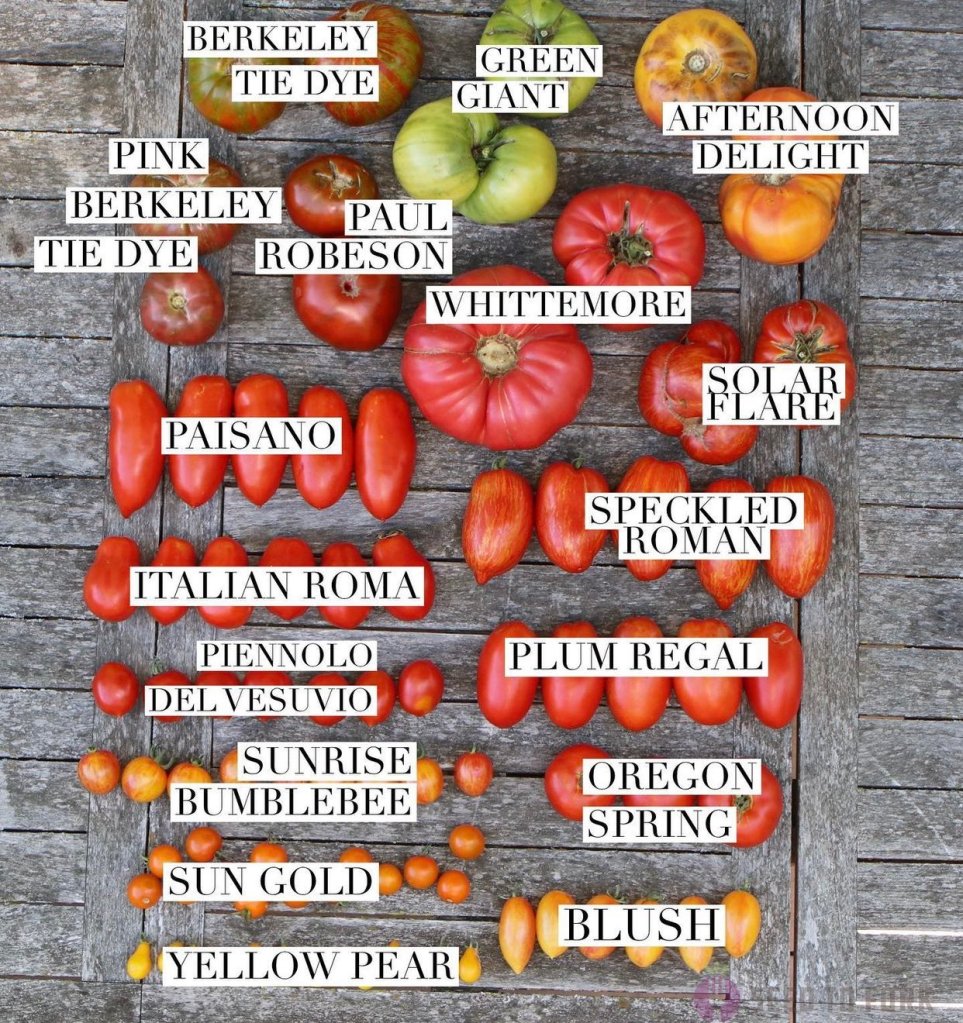
This summer’s (2022) tomatoes included the massive and delicious Whittemore Heirloom a massive pink brandywine type tomato. It also had less emphasis on ensuring I had extreme color in my bowl of tomatoes, something I continue to struggle with, both as I plan and search for new tomatoes and as we assess them for flavor. There’s just something satisfying about juicy, red tomatoes.
There are so many great beefsteaks. We could choose a few new ones each year to try and never taste them all. But at some point I think it’s best to settle into what works. I am starting to settle with our tomatoes, satisfied with my exploration and happy with the relationships I’ve developed with some of our favorites. I surely will still rotate through many of the tomatoes I’ve listed as neutral, perhaps I’ll pine for a tie dye tomato one winter and will swap it out for another standard.
I plan to grow only 4 beefsteaks next year: Paul Robeson, Whittemore, Orange Strawberry (technically an oxheart), and one more … Solar Flare or Afternoon Delight.
Beefsteaks We’ve Grown
- Green Giant
- Black from Tula
- Cherokee Purple
- Box Car Willie
- Brandywine
- Whittemore
- Black Beauty
- Afternoon Delight
- Solar Flare
- Pink Berkeley Tie Dye
- Berkeley Tie Dye
- Paul Robeson
- Big Rainbow
Winners: Paul Robeson, Whittemore, Solar Flare, Afternoon Delight, Brandywine, and Orange Strawberry (we grew this many years ago and I miss it)
Losers: Green Giant (we aren’t green tomato people), Black Beauty (very prone to anthracnose), Big Rainbow (too late of a season for our climate)
Neutral: Berkeley Tie Dye, Pink Berkeley Tie Dye, Cherokee Purple, Box Car Willie, Black from Tula, Piroka, Oregon Spring
Paste + Saucing Tomatoes
This is really our focus, and I only see this increasing in the coming years. For many years, the majority of our gardening life, we grew indeterminate paste tomatoes. These are the likes of San Marzano and Amish Paste. They are delicious but they were quite prone to blossom end rot early in the season.
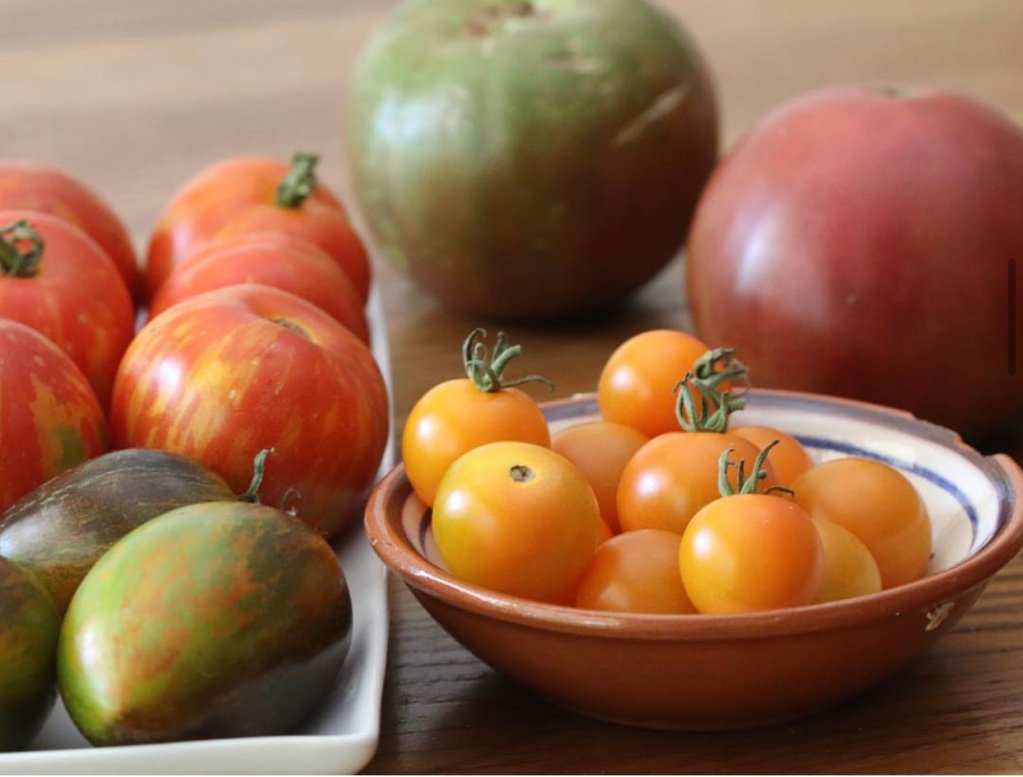
More recently I did a tomato trial with SeedLinked and grew Opalka, Ukranian Purple, and Speckled Roman. I also picked up a rare heirloom, Inciardi Red Paste from a local farm. We loved the Speckled Roman so much we grew it again this year. I had 2 plants, and I may even increase that to 4 next year. It’s so meaty and beautiful and a workhorse all summer long — I’m still pulling hefty sized tomatoes off the vines this week, even after the temperatures plunged into the 40s. The Inciardi was also massive and meaty but unfortunately my seedlings didn’t make it so I’ll try again next year. I also love the deeply fluted Costuloto Genovese, and hope my seedlings make it next year (they struggled in late winter and I threw them out for fear of disease).
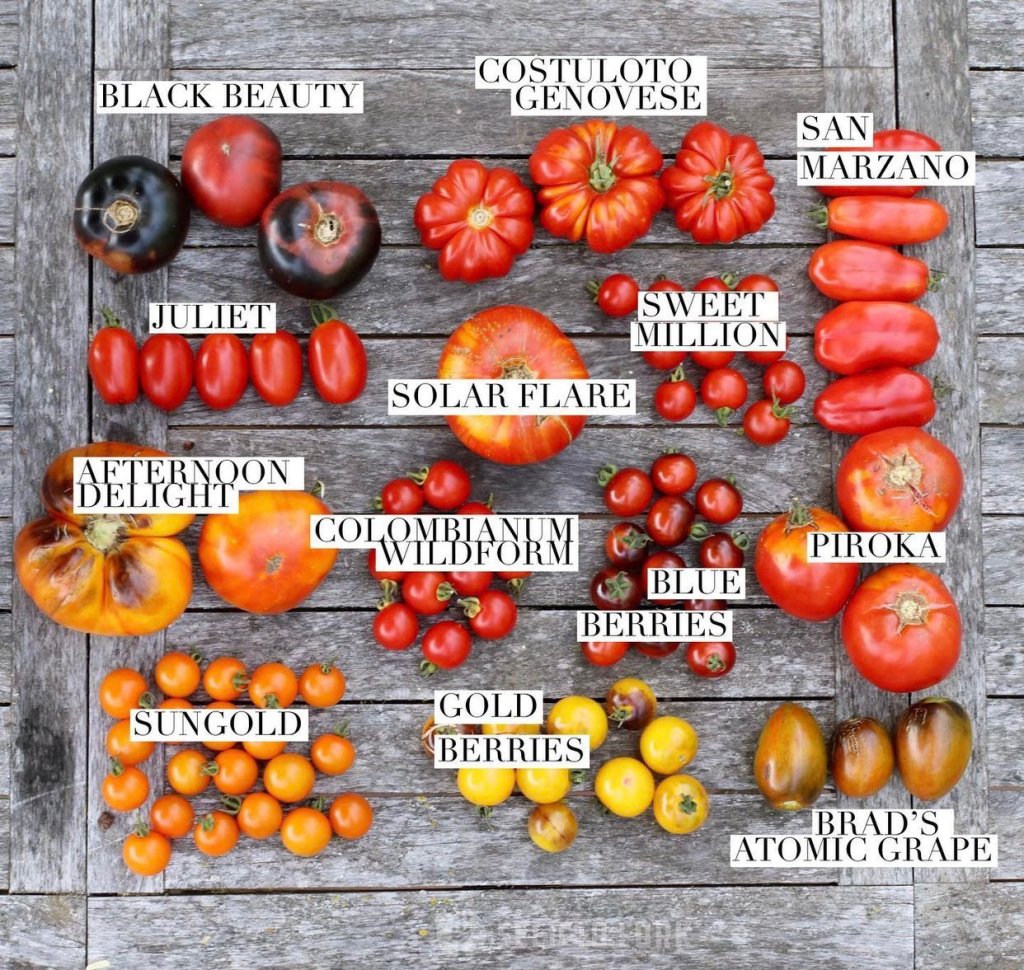
My 2019 tomato lineup. I tried to plan for different colors and shapes. It was a beautiful year, but many of these I no longer grow!
I’ve only started the switch to determinate tomatoes. I think I started in 2020, so this was our third year growing them. Before that time, I really explored cherries and beefsteaks, but we quickly realized that saucing is, well, our jam. The standard open pollinated variety we grow is Italian Roma. Many hybrids offer larger fruit, and I choose to grow some of each because I get more pounds processed quicker with the hybrids and it is in part about efficiency. Because I oven roast, I’m enhancing the flavor of all of the them before canning.

Italian Romas are quite a bit smaller than the hybrid paste tomatoes I grow. I have not tasted them side by side because I roast and can about 99% of what we harvest, but I suspect the Italian Romas are more flavorful. And so while they are are not as meaty, they do produce plentifully and thus I’ll keep growing them, for now.
I loved Plum Perfect in 2021 but couldn’t find seed for 2022 so switched blindly to Plum Regal. It was similar in size and shape and produced much better than the Paisanos, another hybrid I grew again only because I had the seed. I won’t grow it in the future. If I can find the seed, I’ll return to Plum Perfect in the future. (Note: I did find the seed in 2023/24 and bought enough for many years!)
I’d be willing to try other hybrid paste tomatoes as they arise, which I suspect they will.
I’ll plant a total of 22 determinate paste tomatoes next summer, that’s 8 more than this year. I want to be able to complete our canning goals with the harvest still rolling in. As you may recall, this year we had 14 plants and I was about 20 quarts short (or 80 pounds tomatoes). If each plant produces on average 20 pounds, then 8 more plants will yield me plenty for our saucing needs, ketchup, and bloody mary mix — plus fresh saucing and eating.
I’ll round out the paste and saucing garden with 4 Speckled Romans and a Costuloto Genovese.
Paste and Plum Tomatoes We’ve Grown
- Juliet (indeterminate hybrid)
- Amish Paste (indeterminate open pollinated)
- San Marzano (indeterminate open pollinated)
- Opalka (indeterminate open pollinated)
- Ukrainian Purple (indeterminate open pollinated)
- Speckled Roman (indeterminate open pollinated)
- Piennolo del Vesuvio (indeterminate open pollinated)
- Inciardi Red Paste (indeterminate open pollinated)
- Costuloto Genovese (indeterminate open pollinated)
- Italian Roma (determinate open-pollinated)
- Plum Perfect (can’t find seed) (determinate hybrid)
- Paisano (determinate hybrid)
- Plum Regal (determinate hybrid)
Winners: Speckled Roman, Italian Roma,Plum Perfect, Inciardi Red Paste, Plum Regal, and for beauty, Costuloto Genovese or Costuloto Fiorentino
Losers: Paisano (disease prone), Ukrainian Purple (splits unless you harvest it green), San Marzano (prone to blossom end rot)
Neutral: Amish Paste, Opalka, Juliet, Piennolo del Vesuvio
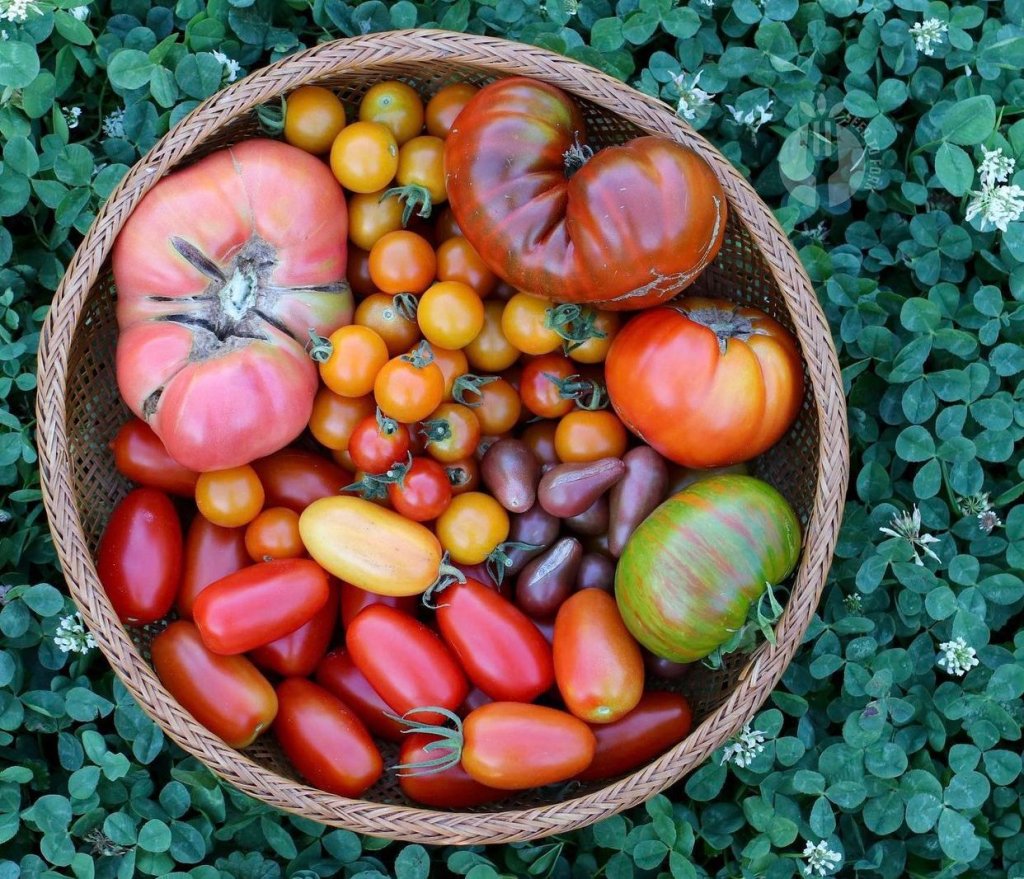
I hope this helps you shape your tomato grow list for next year. More information to come next month as I discuss how I assessed the garden overall, including my tomato spacing, trellising, and plans for 2023’s garden. Because it’s gonna be epic, and we are all going to grow our best

Get updated by email whenever there’s a new post
Comments
If you’re a subscriber, you can discuss this post in the forums
Leave a Reply