
Your cart is currently empty!
Catalog Season
Get updated by email whenever there’s a new post
It’s official. My first seed catalog arrived this week. It was from High Mowing Organic Seeds.
I will page through it by the fire over Thanksgiving, intent on resisting the glossy pages. Undoubtedly, I’ll run for my post-its and a pen, generously circle too many varieties with the right key words, and dog ear the entire thing.
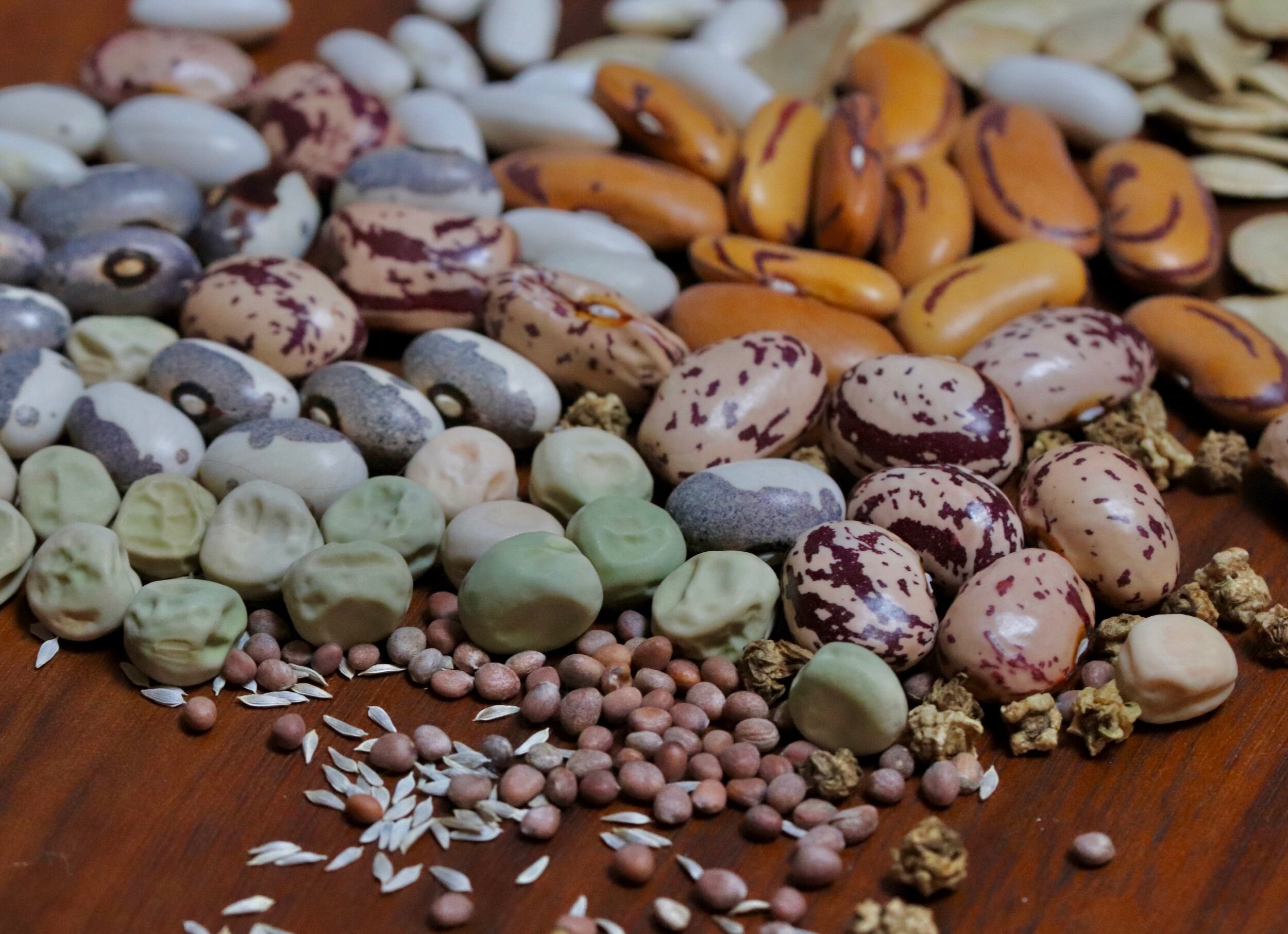
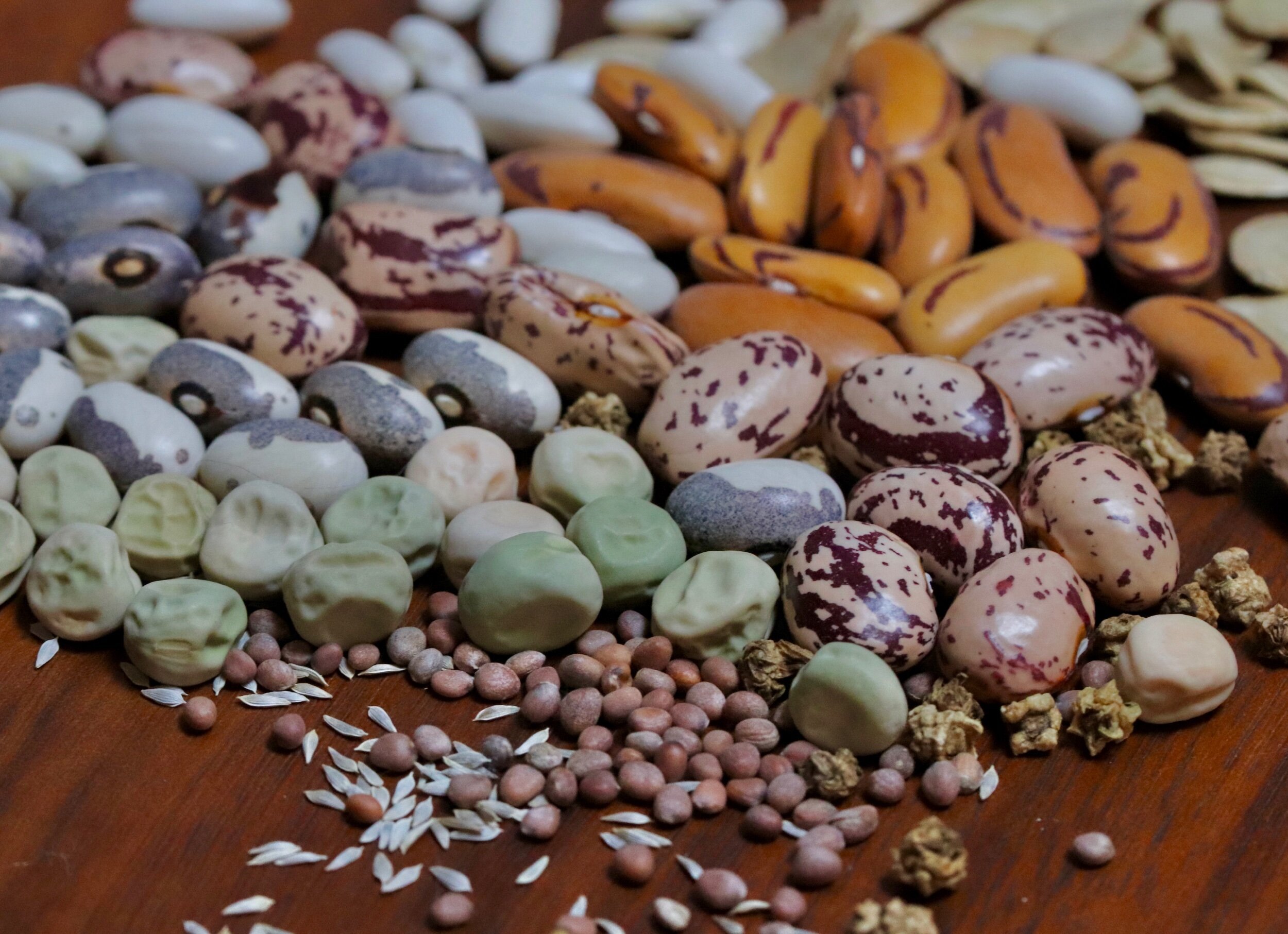
Because of how we store our seeds, they tend to keep for 4-5 years or more. So do I need to buy seeds this winter?
No. Just plain no.
Example: this winter I used the last of my Musselburgh Leeks, seed bought in 2018, They were 5 years old and still sprouting. Leek seeds are suppose to only be viable for “1-2 years”. With proper storage, seeds last much longer.
Part of my job, though, does involve exploring new varieties, trialing things in my garden, and then writing about it, so seed buying in a sense is required work for me. At the same time, we do have a list of favorite varieties that we pretty much always grow, the ones that are not new in this list I posted earlier this year. I will review all the new varieties we grew this year next week, as some will never be grown again and others have found a permanent home among our favorites.
With that in mind, I am often looking with a keen discernment for very specific flowers and vegetables. Heat tolerant brassicas, like an improved broccoli or broccolini, the latter of which I still haven’t spent enough time with to understand how best to grow it here. I am also on a bend to grow a wider range of brassicas, and will be ordering from Kitazawa Seeds for most of those varieties (of course, you’ll be the first to know what I decide to order and why).
Beans well suited to canning or freezing is also bouncing around in my mental wish list, processing I don’t currently do but aspire to someday. Perhaps when our tomato garden is more modest.
One thing is for sure: I’ll be ordering Fortex pole beans again, since our Japanese beetle population precipitously tapered off (they were the reason I stopped growing them). I will likely revisit Kabochas and try to find one for next year, a better alternative to my gorgeous but oversized Musquee de Provence which intimidates the heck out of me (how does one use 46 pounds of squash). Winter squash are quintessential to life here, though, and I have my favorite butternut and delicata already. I probably should just go directly to Row 7 Seeds and order from them, because they have a few lovely squash varieties bred for chefs that I haven’t yet grown.
Carrots, because I grow hybrids, can sometimes switch up on me without warning, one hybrid sunsets and a new variety replaces them. This is how the business churns, and I have come to accept it. It first happened to me with a broccoli variety called Bay Meadows that we used to grow in Oregon. In fact, we successfully grew it the first season of our in-ground, double-dug vegetable garden. We grew it probably until about 2010 and then suddenly I could no longer find the seeds and was so disappointed. That was my initiation into falling in love with hybrid seeds. Some don’t stand the test of time like Sun Gold or Gourmet bell pepper have. I digress.
I did order a LOT of carrot seeds this past winter and have an ample supply of Bolero, which is a stellar carrot variety, Danvers 126, and Mokum, an early variety. But maybe, maybe, I’ll give some other colors a try. Again. Even though I know they don’t taste as sweet as orange carrots because we’ve been down this path more than once.
Or maybe I’ll remember this post and know we have enough carrot seeds for 2024 already. That is also my hope for you as you endeavor into this slippery marketing slope of seed buying season.
You might also like:


Get updated by email whenever there’s a new post
Comments
If you’re a subscriber, you can discuss this post in the forums
Leave a Reply