
Your cart is currently empty!
Interplanting Vegetable Guide
Get updated by email whenever there’s a new post
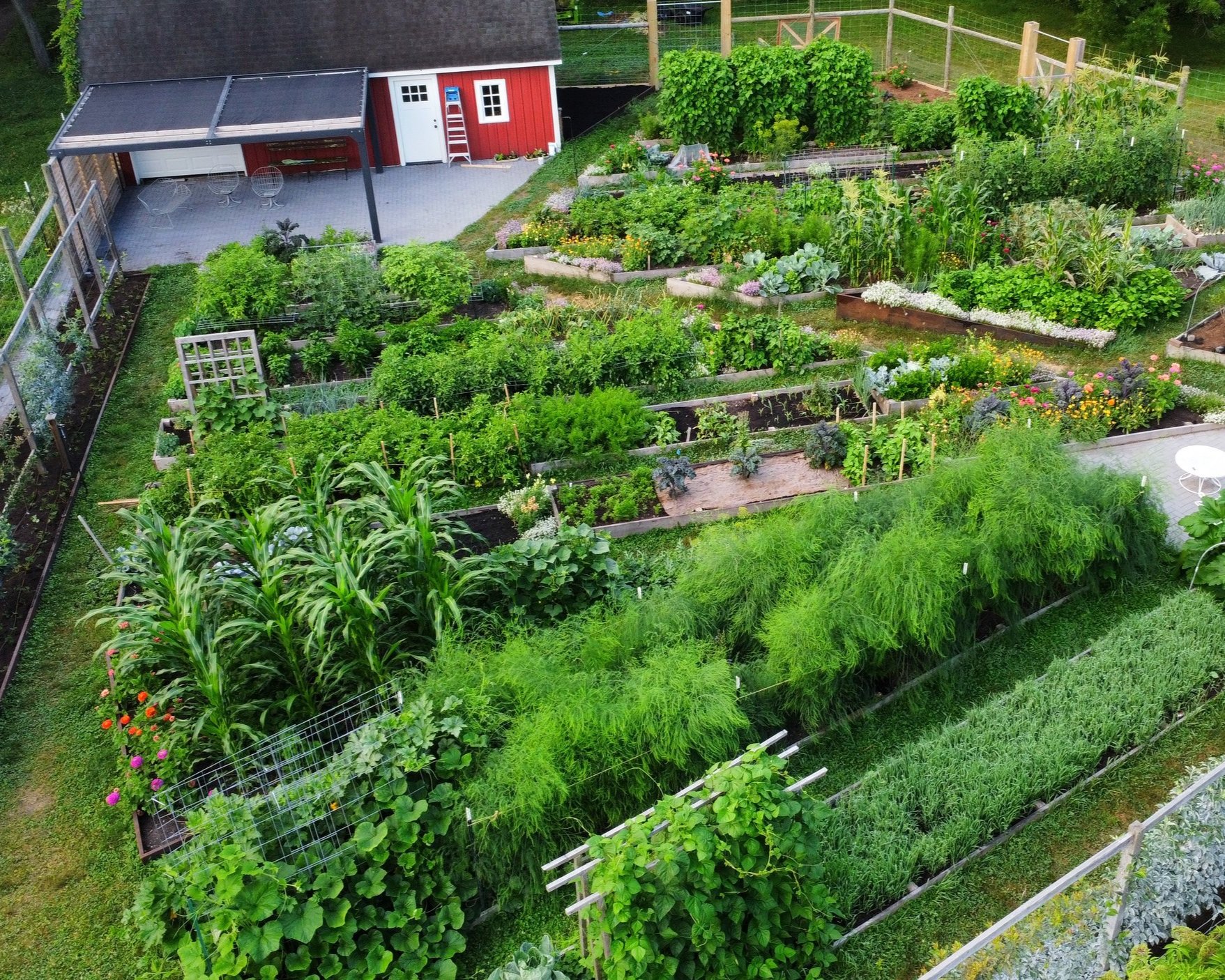
Even though our garden is admittedly sprawling, I do have some hard and fast rules about how I interplant.
And I sometimes break them, like last year when I did my intensively planted bed and interplanted onions. That didn’t go well, as expected, even though I’d hoped for better results because not everyone has space for a bed of just onions.
But there is quite a long list of vegetables and herbs that I do regularly interplant. It allows me to maximize even our rambling space more effectively.
The lesson I hope you’ll take away from this guide is that I tend to pair understory, or low growing, veggies and flowers with overstory, or rambling/vining crops. The understory plants usually mature before the overstory has fully matured and shaded out the soil (or understory).
- Tomatoes and alyssum
- Pole beans and arugula
- Corn and radishes.
- Cucumbers and calendula
The Never Interplanting List
Before we get to the good news, let’s get the serious business out of the way. I have a short list of things I don’t ever interplant.
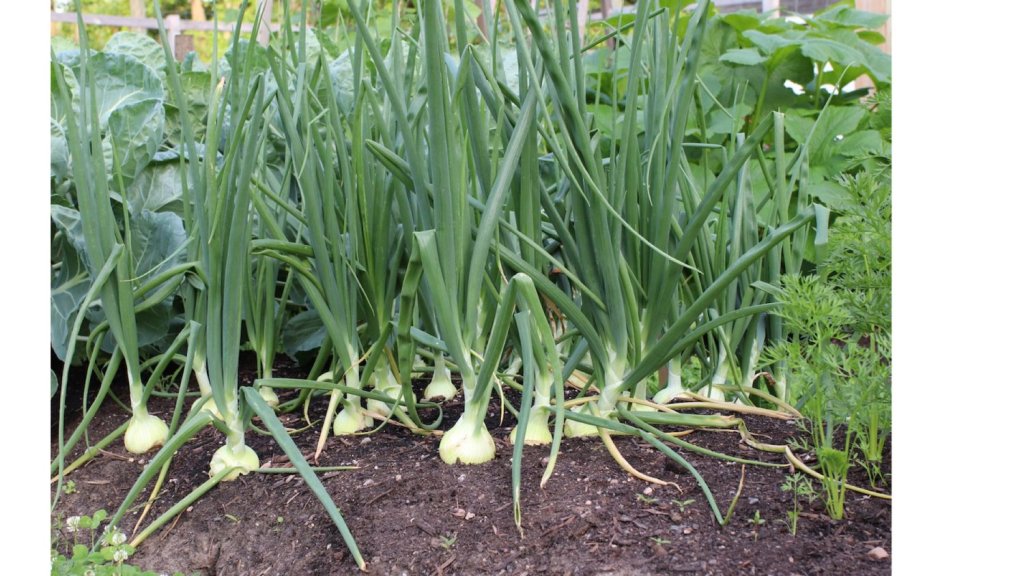
Onions and Garlic
These crops are somewhat counterintuitively a bit of heavy feeders (I guess maybe not so counterintuitive because they produce bulbs and are in the ground for a while). With shallower roots, they don’t have access to deeper nutrients or water so if you interplant with them, they will not reach their full potential though it’s likely they will produce for you. I’ve grown them for many years interplanted but now just keep them as their own planting block and it’s by far superior quality produce.
Peanuts
Low growing and needing to be hilled, there’s zero negotiating this one. I never interplant my peanuts.
Potatoes
Similar to peanuts, we always hill them so the soil gets disturbed several times a growing season so for that reason potatoes are a one-succession space hog in the garden annually.
Staggering Successions — Interplanting with caveats
There’s a large list of crops or allocated space where I do interplant, but it’s almost always half a succession apart. What do I mean by this? Where my summer cantaloupe will eventually climb currently has our second succession of kohlrabi underneath and bok choy and a cabbage quite close (and will be shaded out eventually if the cabbage lingers longer than I hope it does).
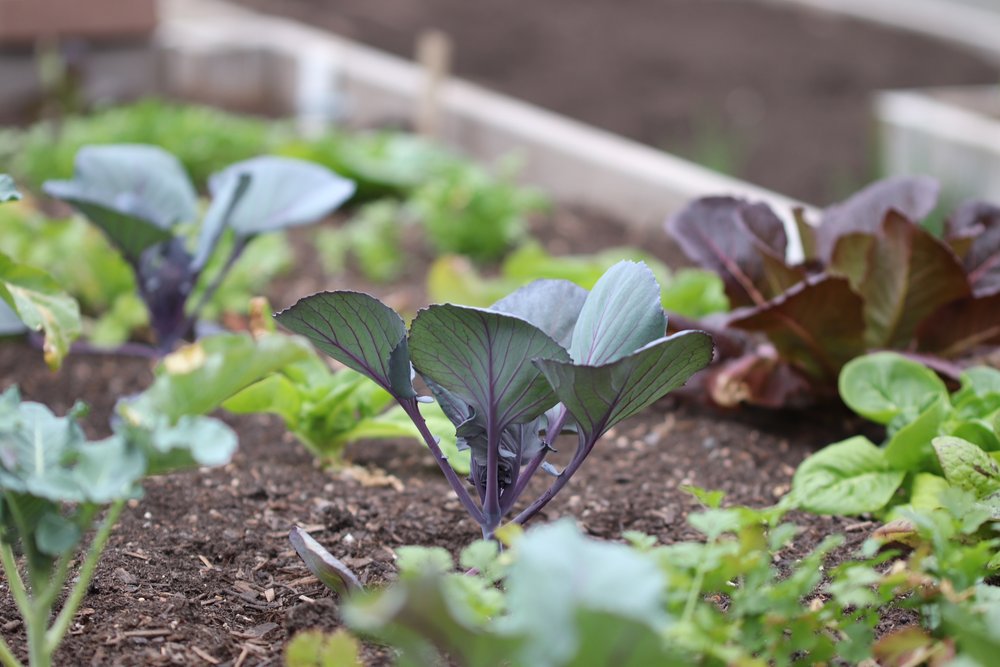
When you interplant two similar growth habits, you probably should be giving them a little more room. For me that’s things like beets, which I tend to try and tuck in between cauliflower sometimes, but not broccoli or cabbage as their leaves tend to grow more wide than tall. Cauliflower has a bit of a cupped growth, which leaves a small but feasible understory for beets if timed right.
I can utilize the wide row spacing of sweet corn in the first six weeks of growth by sowing rows of radish, arugula, or cilantro around the same time as I plant the corn. Mature corn really shades out the understory, but you can stagger those successions to make the most of that square footage.
Best Bets for Interplanting Vegetables
The most utilitarian interplanters include leafy herbs and greens, radishes, and green onions. I will transplant these almost anywhere. Almost, except between peanuts, potatoes, and onions or garlic, as mentioned above. They mature quickly and remain in the understory so provide a very low risk for outcompeting whatever main/overstory succession I plan for that space.
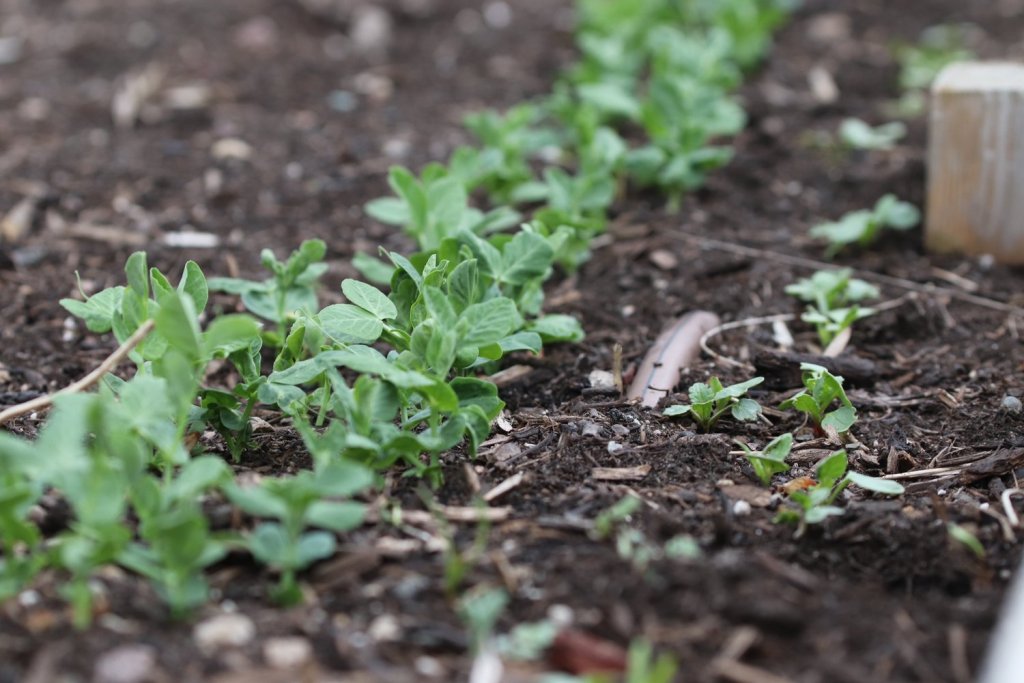
Even with cabbages or broccoli that only top out around 24” tall I can safely tuck a row of cilantro, radish, or arugula in between rows safely due to the slower growth of the brassicas.
Interplanting for Beauty
I use interplanting as end caps for my main garden path with some key vegetables: eggplants, fennel, and some of our peppers. In part it’s because I run out of space elsewhere, but also because these are often strikingly beautiful vegetables that deserve to be front and center and comingled with each other and lots of flowers.
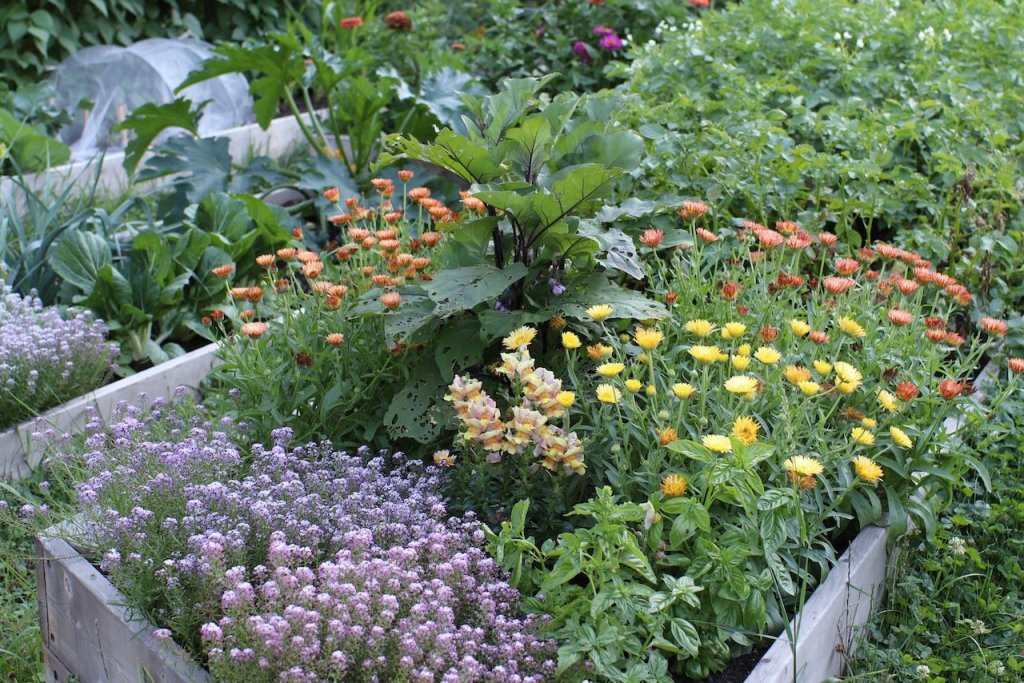
Basil, alyssum, calendula, and snapdragons engulf a happy eggplant in this end cap of a garden row.
Interplanting Flowers
I have taken my own personal approach to interplanting flowers, but a lot of the same rules apply with flowers that do with vegetables. You must keep an eye on the pairings, understanding their growth and if they will overlap spatially. You want to avoid that as much as possible, because it will reduce productivity of the more shaded out plant.

Alyssum stays low and flops out of the bed, reaching for sunlight. The result is a cottage garden feel by mid-August.
My most-used interplanted flower is probably alyssum, followed by calendula. These also, by design, tend to remain low growing and have some tolerance for shade.
Marigolds I interplant almost exclusively with peppers, an admittedly biased approach; they work well with most vegetables, including tomatoes. They will get pretty large and mounded, though not as thuggish as the beautiful tufts of nasturtium.
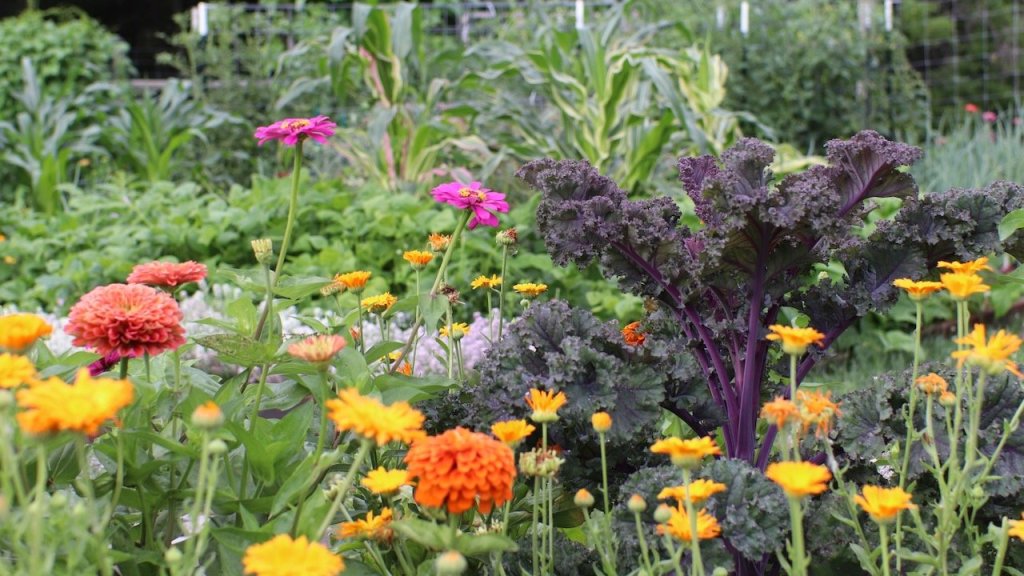
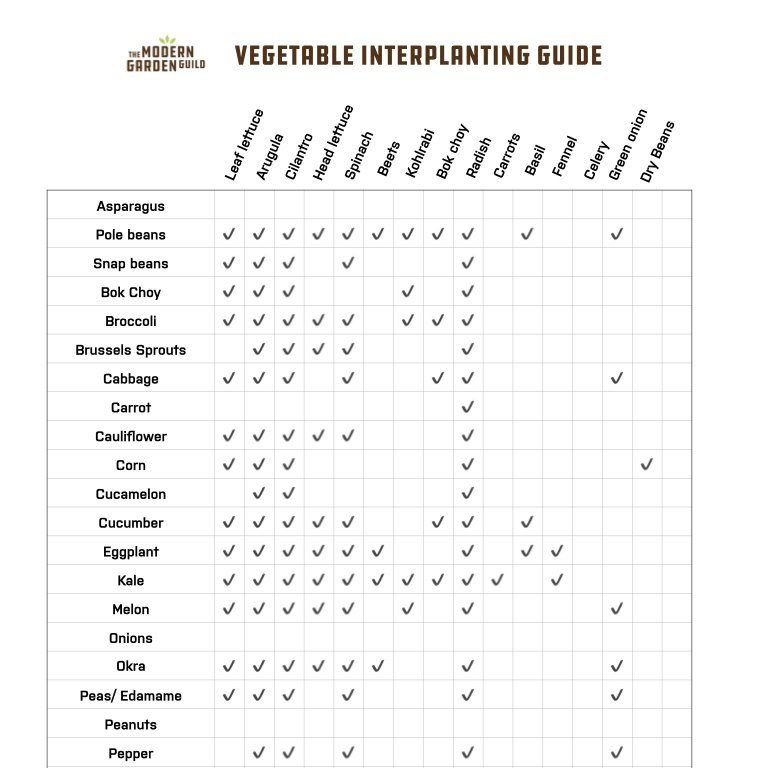
You’ll notice on my downloadable guide that I didn’t put strawflower, dahlia, or globe amaranth with any other vegetables. These are larger flowers and as such I plant them in the garden but in flower beds. Sunflowers and zinnia have very specific interplanting criteria for me: sunflowers go with tomatoes, though I increase my spacing to allow their cohabitation, and zinnia get interplanted with my scarlet kale in one of my flower beds, so it’s more like the kale in interplanted with flowers than the other way around.
I hope these charts give you some ideas, confidence, and opportunities to squeeze more food and flowers into whatever size garden you’re tending this year. I am sure I overlooked something, so use this as it’s intended to be used: as a guide. Let your favorite foods and flowers be your ultimate guide.
You might also like:

Get updated by email whenever there’s a new post
Comments
If you’re a subscriber, you can discuss this post in the forums
Leave a Reply