
Your cart is currently empty!
July Monthly Task List
Get updated by email whenever there’s a new post
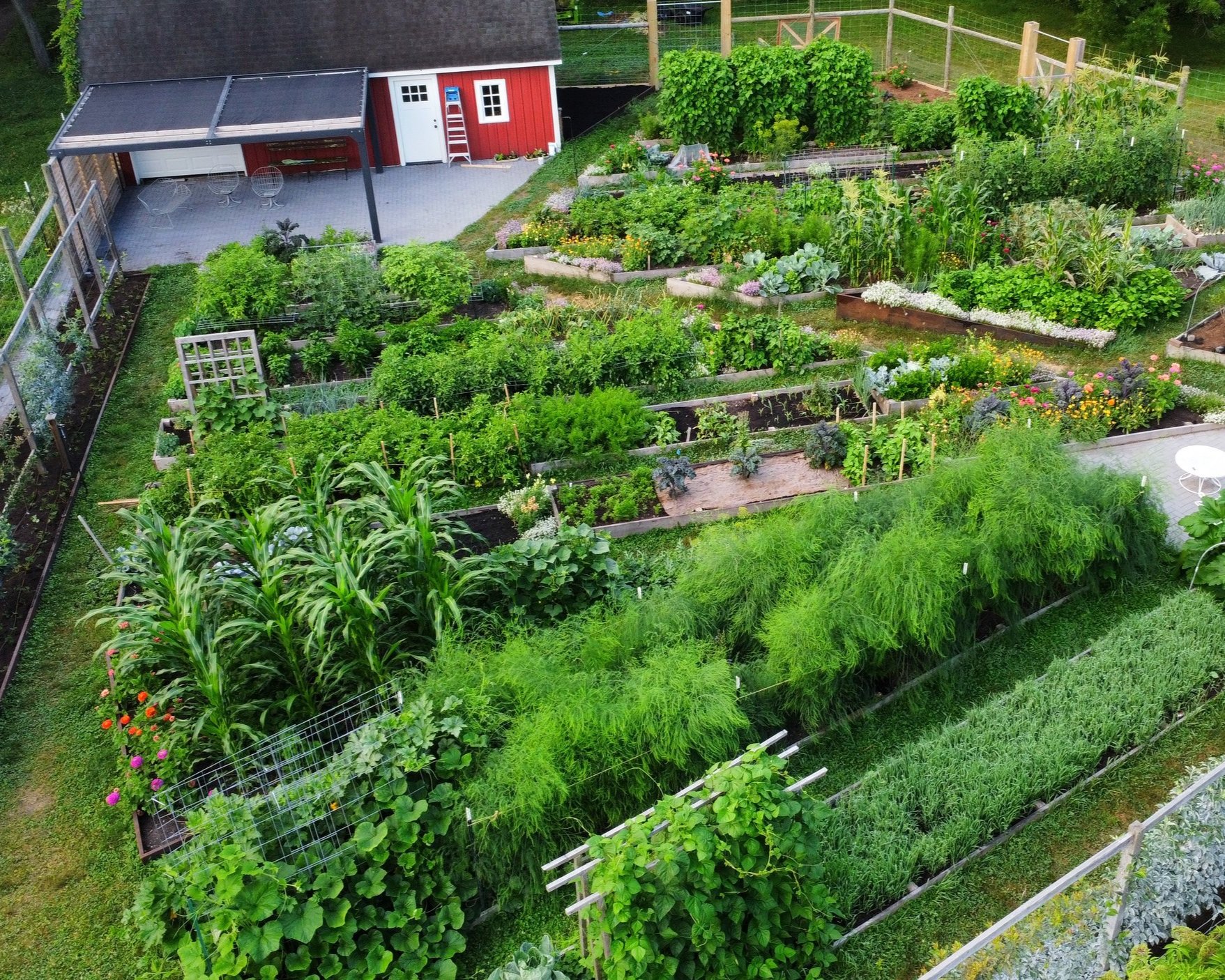
July is busy like May, though with distinctly different tasks. Swap out hardening off and transplanting for daily harvests, watering seeds and seedlings in the heat of the day, strategic succession planting of main season and fall crops, and the commencement of curing and canning season and your days are swamped, in the best way possible. I plan, anticipate, and love this time of year!
My garlic this year was a bust and I’m about to pull the planting; I’ll cook the green garlic and turn the space over. My onions are growing a bit slower this year, so I don’t anticipate them coming out of the garden until mid-August (some years it’s much earlier). Bush and pole beans are producing as of earlier this week, which is perfect timing since we are just finishing up last week’s final snow and snap pea harvest. My first few Goldy summer squash are swelling, and more cherry tomatoes are ripening every few days, and are being consumed immediately upon harvest.
Cucumbers are a ways out yet, but I’m seeing flowers on my picklers, which means in a few weeks canning season will return. Preserving food is both an offering to be present and a gift ourselves for many months to come.
July is also when the gaps must be replanted with quick succession, lest we lose these precious weeks of summer needed to ensure slow maturing fall crops size up fully before the sun dips into her Persephone period. Like my spring brassicas, my fall cabbages are lackluster, being plagued by cabbage whites and cabbage loopers, and I’ll be delighted to just get a few good cabbages to enjoy in late fall. Those transplants, along with my cauliflower, romanesco, and some battered broccoli, will be going into the garden by early this week. This has been the hardest part of the growing season for me, running into challenges with my previously most reliable staples. We can’t perfectly time all things every year, but with repeated plantings of things we love to eat, we will have a garden full of diversity for many months.

Garden Tasks
Since I’ve already direct seeded some fennel, head lettuce, and late cabbage, I think I’ll just direct seed the remaining seeds into the garden this month. It will include kohlrabi, beets, bok choy, and more head lettuce, things I know for a fact all grow well direct seeded, in an ideal, pest-free landscape. I’ll highlight what to sow this month below, as there’s still lots of hot season crops to sow in addition to fall vegetables and quick herbs. But let’s start with the day to day tasks that require time and attention:
The weeds are growing! We are trying to stay on top of fast growing weeds in our perennial beds. I still need to dig out a lot of quack grass thriving in some of the beds, but otherwise the annual veggie and flower beds are in pretty good shape.
Mowing the paths continues to be a central theme due to our plentiful rainfall. I am mowing them every 1-2 weeks still. Usually in July I can reduce my frequency, but not this year.
Managing for pests is another big, ongoing task — especially on the brassicas. I am chasing cabbage white butterflies everyday, and my killing streak is strong. I probably murdered 20 of them last week alone. That combined with spraying Bt to target their young larval stages and I feel optimistic I am doing ok. Maybe I’ll try the fine nylon netting again for some of the fall transplants because those pests really derail my garden enjoyment. I just can’t sit still while they sip nectar and lay eggs on my veggies.
Pruning cucurbits is something I will start doing soon. Like tomatoes, they send out new leaders (suckers) at every leaf node and it quickly becomes a veritable jungle, even when I train them vertically. I prune for air flow and for ease of harvesting. Don’t be afraid to apply this to your summer squash, melons, and winter squash in addition to cucumbers.
I am also regularly coercing cucurbit leaders up their vertical cattle panel trellises so they fill them out. They would happily creep horizontally out into our paths or crawl over nearby flowers but I do take time daily to “thread” them through the cattle panels.
Pruning the tomatoes is ideally a weekly task, assuming it’s dry enough to get it done. Ideal meteorological gardening conditions for opening a wound on a plant are sunshine, breezy, and low humidity. I am still implementing my 3-leader trellising approach to tomatoes. This summer has proven tricky for timing pruning, and fungal foliar diseases have set in quickly on my Sun Gold and Paul Robeson, of course my two ride or die tomatoes. We can’t have it all; perfect tomato plants and plentiful rain leads to increased fungal disease.
My very late determinate tomato plants that I ended up indoor sowing in a 4″ pot on June 1 still need to be horizontally trellised. I spaced them 36” apart; it’s possibly more than enough room. It feels like farmer spacing, that is, a lot of open ground between the plants. I feel like we’re under-utilizing the space, but I know that disease pressure circulates rapidly in these plants and this spacing makes for easier harvests. I’ve interplanted them with gem marigolds and lots of genovese basil.
Soon I’ll be cutting down the flowering buckwheat cover crop to make way for those fall cabbages and cauliflower. I plan to get them transplanted this coming week, which is on schedule relative to a typical year.
Because our strawberries didn’t put out runners last year, we didn’t need to renovate the strawberries this summer. He’s still applying Surround (kaolin clay), potassium bicarbonate (an organic fungicide), and neem oil to the trees. He did a heavy summer pruning this week, too, so the orchard is looking amazing. We just need to hope the squirrels don’t steal our apples this year!
What’s In Season
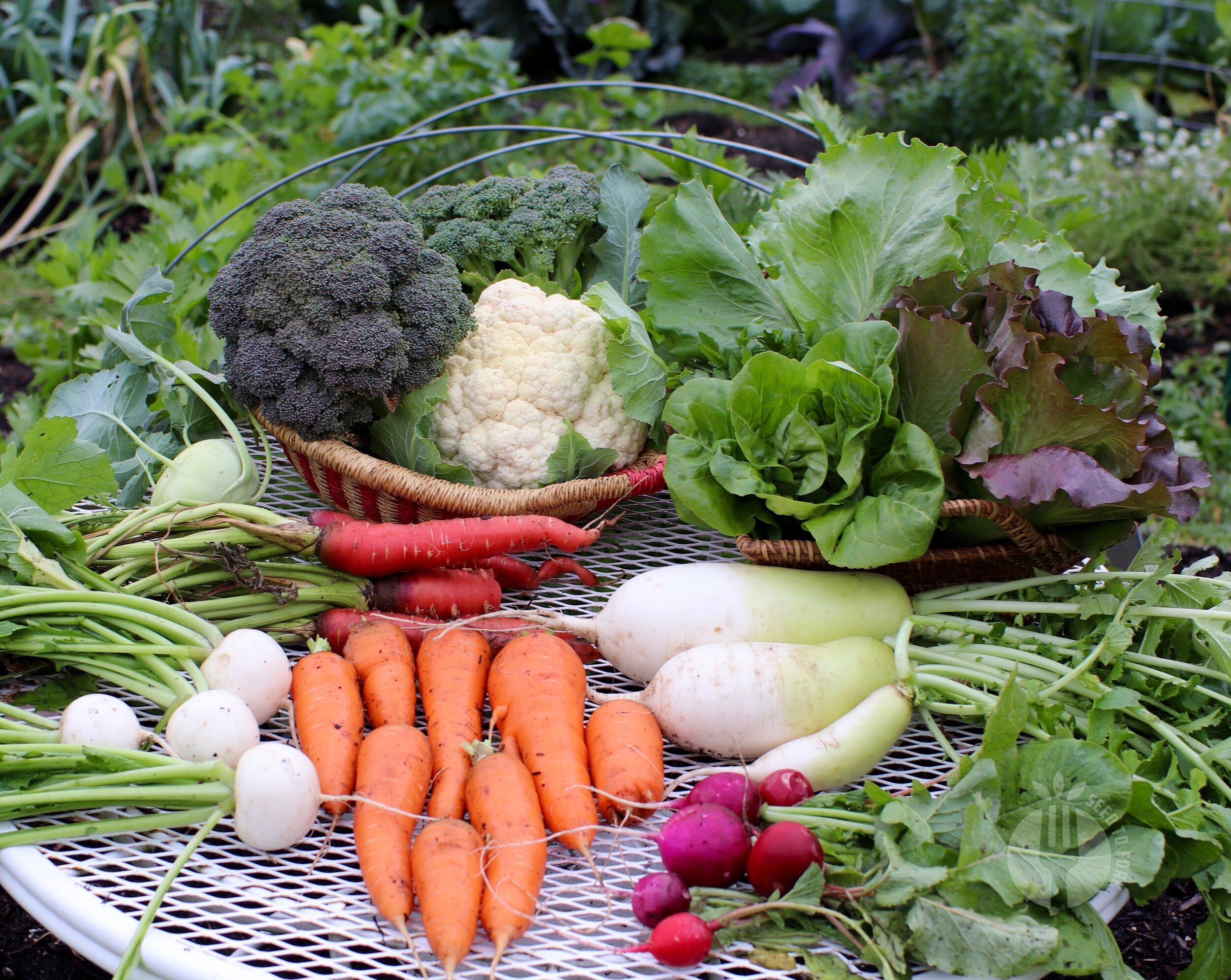
- Green beans (snap, still waiting on pole beans)
- Fennel
- Celery
- Tomatoes
- Summer squash (will be ready this week)
- Lettuce (heat tolerant, second succession of lettuce)
- Carrots
- Onions (harvest fresh as needed)
- Basil, Dill, Cilantro, Parsley, Oregano, Rosemary, Thyme, etc
- Arugula (onto our 3rd planting, with the 4th just germinated this week)
- Green cabbage
- Spigariello
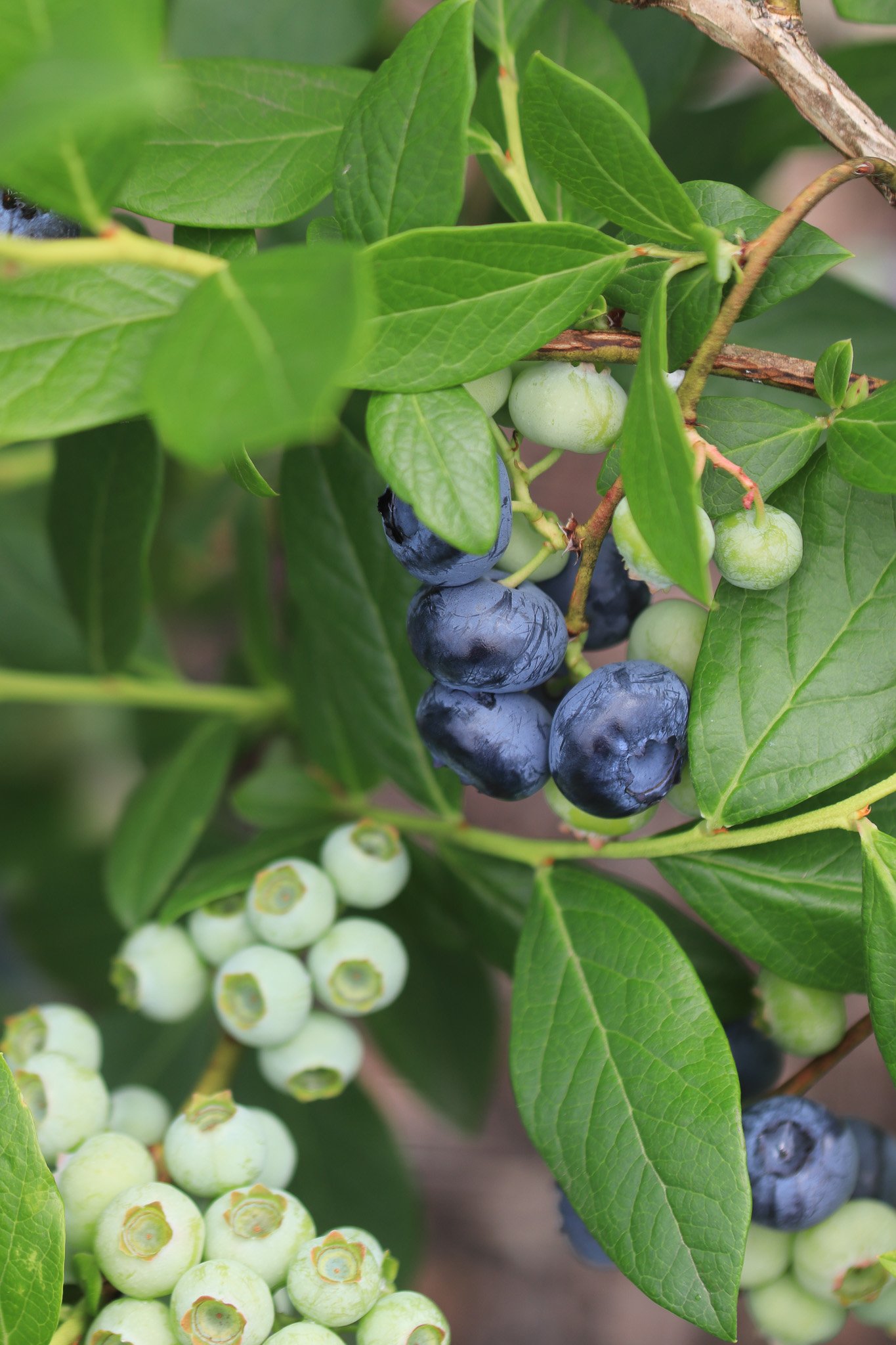
- Blueberries
What to Sow Now
Here in the North, I’m looking at the final sowings of summer squash and snap beans in the next few weeks. If you’re south of me, count back 8-10 weeks before your first frost to calculate for your possible change to sow these as a late summer succession. This usually coincides with decreased daylight and cooler temperatures, all factors that determine if hot season crops will thrive.
My sowing focus has shifted for the season. I’ve got my third second succession of corn in and I’m done planting corn for the year. I sowed my fall carrots (last week) and now am done with carrots for the year too.
If I want fall peas, I will sow them by the third week of July. Again, like with transplanting cabbages in heat, it is a bit perplexing to sow peas during a heat wave, but the timing works out — a similar 8-10 weeks before frost (they need 60 days to mature, so that’s 8 weeks).
Direct Seed
- Snap beans (now until end of July, which is pushing the season for a late harvest but I know it works!)
- Cucumber and summer squash (for September harvests)
- Carrots (sow before last week of July in the North)
- Fennel (I’m direct seeding it this year … wish me luck)
- Green onions (every few weeks for a steady stream of bunching onions)
- Arugula (every other week for steady supply)
- Basil
- Cilantro (every other week for a steady supply)
- Dill
- Bok Choy (I prefer hybrids like Joi Choi for their heat tolerance)
- Kale
- Head lettuce
- Beets
Wait to Sow
Don’t sow any spinach or leaf lettuce yet, nor faster globe radishes, kohlrabi, or salad turnips. Late July into early August is my final big sowing window, which includes storage radishes and turnips (50-day varieties), and they will get seeded once I pull out the onions.
As we near August, my seeds will reflect the shortening weeks to first frost, and my seed list will be solely focused on crops around and under 50 days to harvest, and largely smaller crops and leafy greens.
I hope you find a pace at which your garden will delight and encourage you to succession plant your favorite things all summer long. Our presence is the most important part about our gardening journey. Pay attention every single day.
You might also like:
Get updated by email whenever there’s a new post
Comments
If you’re a subscriber, you can discuss this post in the forums
Leave a Reply