
Your cart is currently empty!
Managing Brassica Pest Pressure
Get updated by email whenever there’s a new post
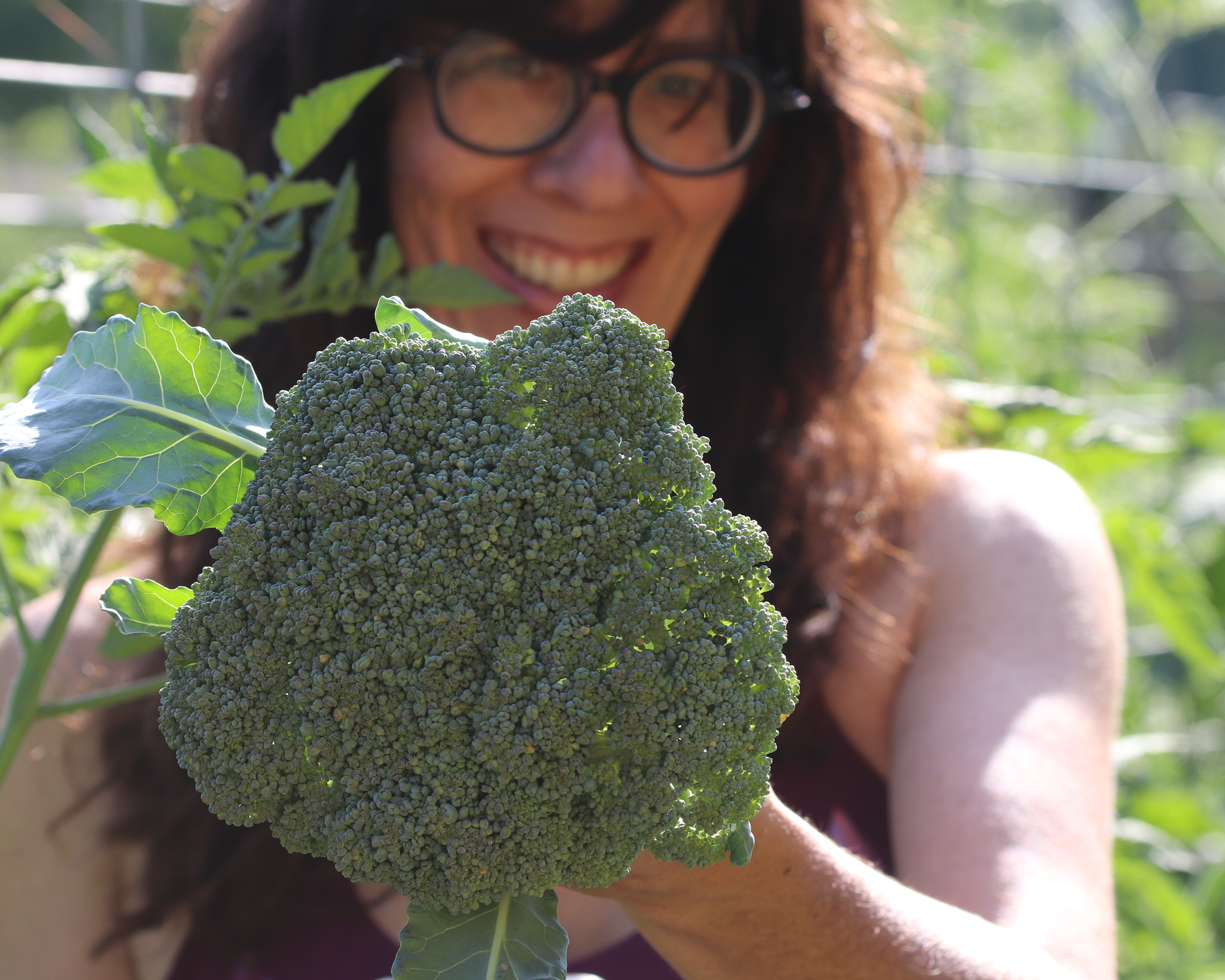
There’s nothing better than a picture perfect cabbage patch, but it might seem an illusion if you’ve tried growing them only to notice small holes that quickly becoming massive munches and then, devastatingly, a stunted or frass-covered plant.

I’ve been there many times. Some years are harder than others with numerous pests challenging my sense of reality, draining my confidence that I know how to grow food.
This season has been particularly challenging for me. I’ve seen more pests feasting on our brassicas than I have in many seasons. And I’m finally feeling like I’ve gotten a handle on it and that my plan for combatting them is taking effect. So let’s dig in.
Identifying Pests
First off, you need to understand what kind of insect has been nibbling on your prized cabbage, broccoli, kale, collards, cauliflower, kohlrabi, or brussels sprouts. Because it’s not a one-size-fits-all approach to pest management. Different pests require different approaches. So pest identification is crucial here.
For the most part here in the north, the biggest thug that prevents cabbage patch bliss are Cabbage White butterflies. They overwinter as pupae and so once you see them, they will stay around for years to come. And they are prolific with 3-5 generations annually. I have seen cabbage whites emerge as early as late April here, so it’s a full 5 months of living alongside them.
Cabbage whites, also known as imported cabbageworms, are a round, smooth green caterpillar. Plump and not inchwormy (like cabbage loopers), they do a pretty good job of hiding in plain sight.
There are two other caterpillars (moth larvae) that have similar life cycles here: the cabbage looper and diamondback moth. Their larvae look slightly different: the looper has more prominent gait because they lack legs in their midsection, which is why I say they move like inchworms.


Diamondback moths remain smaller and have spots on their back. I am not 100% certain that’s what I found munching my fall seedlings on our deck in June, but it was certainly not the usual cabbage white larvae.

Beyond Foliar Damage
Other challenges can crop up with brassicas besides holes in the foliage. A tell tale sign of distress is wilting. And this is what kept cropping up for me this spring. Each week, another brassica looked wilty. After a windy day, it was game over as the plant simply snapped at the base. This frustrating pattern repeated itself several times over the course of four weeks before I correctly identified the culprit: cabbage fly root maggots.
Yes, there’s a fly that lays their eggs at the base of brassicas. The eggs – maggots, just like the gross squiggly things you might find in the abandoned compost heap – then start feasting on the roots. If you have a plant above ground that looks great, but then suddenly starts wilting? Be sure to dig around the base and see if the stem and roots are being chewed.
Lastly, though I don’t have this pest in my garden yet, there’s a pest that is making its way around the country called Swede Midge. This is a small, invasive fly whose larvae, like the root maggot, do the damage. This pest can prevent broccoli from heading and their larvae overwinter in the soil making it challenging to eradicate. Row cover at planting can exclude the fly from laying eggs, so long as it’s in a bed that doesn’t have overwintered larvae.
Timing Pest Management
The biggest and best strategy for pest management is to interrupt their life cycles. You do this a few ways.
First way, is always try to remove the adults. I am a big proponent of using a butterfly net to trap and kill cabbage whites. I don’t do this for night flying moths such as loopers though, because I am a sleep hygiene hawk.
Next, if your garden is small, locating the small white eggs on the top or underside of leaves is pretty easy. And quick to wipe off the eggs. If you see a cabbage white fluttering about and landing and pausing, you better believe they are laying eggs for the next generation.
After I kill as many butterflies as possible and squish the eggs, the next thing is to apply Bt. Bacillus thuringiensis (Bt) is a soil borne bacteria that targets lepidoptera (butterfly and moth) larvae. It is a “broad spectrum” in that regard: it will kill ANY butterfly or moth larvae. So you don’t just spray everything in the garden with this. You only spray your brassicas. Above and underside of leaves, I like to spray in the early evening.
Lastly, succession planting can help mitigate pest pressure a bit – especially if you plant under cover in early spring. I find that by the time the cabbage whites emerge, my first succession of brassicas are well past the tender phase and can withstand some pest pressure.
How to Choose the Best Strategy
The most effective pest management strategy is multi-pronged. Just killing butterflies means you will miss their eggs and larvae, who will become more butterflies in a few weeks. And along the way possibly destroy your prized crops. Only killing larvae means you’ll miss the eggs and adult, egg-laying pests which will enthusiastically be seeding the next generation. Only spraying for Bt means the butterflies and moths are still out there laying eggs. Just excluding the plants with row cover means you are betting on your soil being clean and your enclosure being insect proof.
I’ve not found this to be the case time and again. In 2018 when I attempted to use floating row cover to exclude cabbage whites from my plants because I was bananas for unblemished plants, I ended up having a terrible white fly or aphid problem on several brassicas under cover. The cover gave me a false sense of security and that singular event stung so much I have been very cautious with row cover. Younger Meg might have thought row cover would be enough, but now I know you have to still spray.
There’s not a quick fix for this problem. Maggots can be preyed on by beneficial nematodes. You can dig up the plant and soil and remove. But you have to be present and willing to put in the time and effort to find some kind of harmony (modest pest pressure without making yourself go totally bananas!). In the end, what we are aiming for is strong enough plants to withstand some pest pressure while still producing a head (of ______ insert favorite brassica to nosh).


Get updated by email whenever there’s a new post
Comments
If you’re a subscriber, you can discuss this post in the forums
Leave a Reply