
Your cart is currently empty!
Cultivating a Seed and Spice Garden
Get updated by email whenever there’s a new post
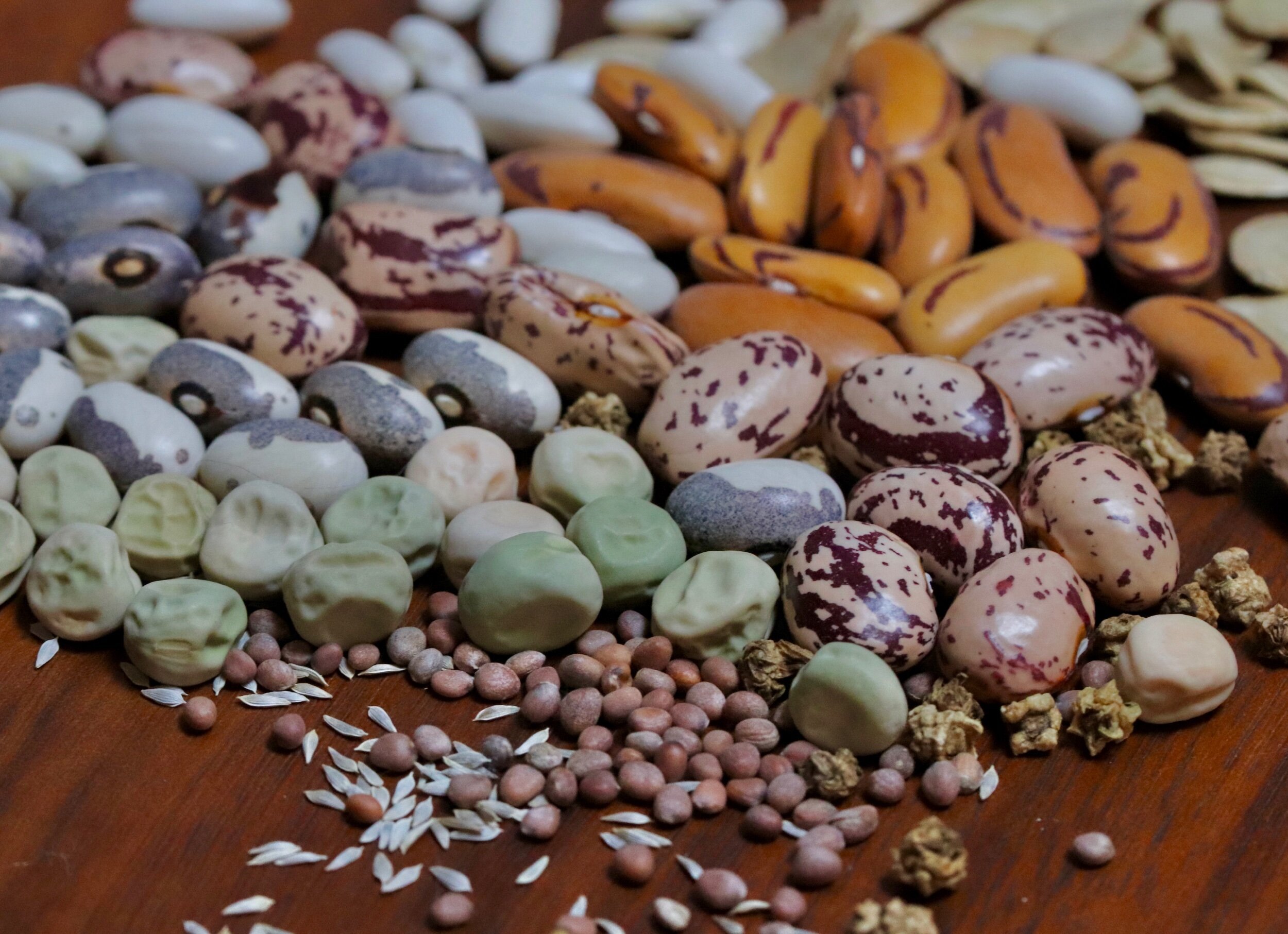
We’ve loved how the added space over the years afforded more nuanced and obscure garden goals like a year’s supply of sesame seeds, becoming self-sufficient with homegrown corn meal, or growing our own paprika and chili powder. It’s continued to cultivate new, more outrageous curiosity, wondering what else is possible to grow, namely the many seeds we use as spices in our kitchens. Think fennel seed for sausage seasoning, mustard seeds for pickling cucumbers, and cumin for so very many cuisines the world over.
This guide shares my growing experience and tips to date on all the spices/seeds we’ve tended in our garden.
From Easy to Impossible
Like with all gardening endeavors, there’s easy and there’s expert. I found this out the quick way with my novice attempts at growing spices. And the lesson repeated itself again this year.
Not all seeds are that easy to grow here. But all seeds emerge from flowers of all shapes and sizes, so if you adore flowers, this may be an exciting side journey for you to consider in the coming years.
Many are tropical and subtropical annuals that frankly probably don’t love my latitude or coolish evenings. While I can ignore peanuts and they form ground nuts and I set and forget my mustard seeds and they do their familiar brassica-y thing, cumin and fenugreek, and nigella have so far stumped me.
Note: All of these seeds I consider a full or late season crop, meaning set aside their square footage for the entire growing season. While breadseed poppies will mature before a frost, they still need the space from very early in spring through summer.
If this garden experiment is new to you, start simple with seeds like breadseed poppies, mustard seeds, and flax.
Breadseed Poppies
I do love a lemon poppyseed cake. I’ve only grown poppies successfully one season. And the season I did, I started them indoors. Ironically, it’s recommended to direct seed poppies because they don’t love being transplanted. Clearly for me, indoor sowing was a more successful strategy.
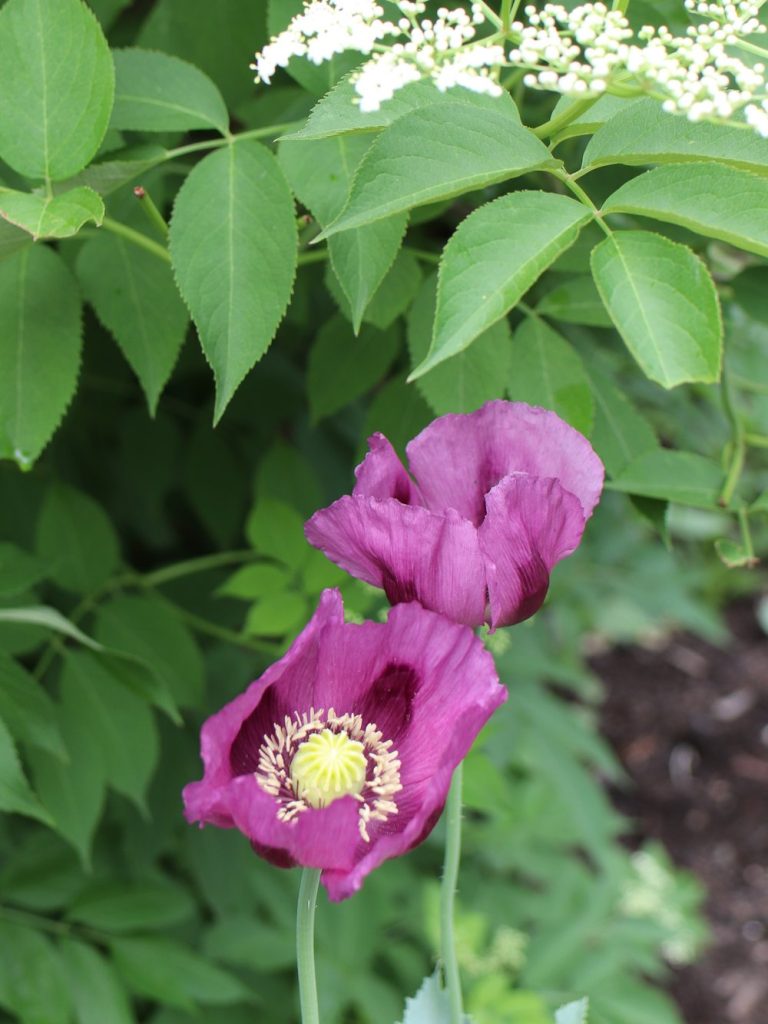
Paper thin flowers seem more suited to a drier climate than ours, as they were pummeled by a typical early summer storm.
Poppy seeds like a bit of chill time before breaking dormancy. So it’s best if you want to try and direct seed to set them out in some bare ground in February-March. Do not cover them! They should germinate sometime in late April.
Days to Maturity: 100 days
Plant Spacing: 12” or closer, if you live in a windy area. (I tend to overplant my flowers a bit.)
Harvesting & Storing: Harvest when pods have desiccated. You’ll hear the minuscule seeds rattling around in the pod. Cut and let cure and invert into a glass jar to store.
Seed Sources: I love the selection from Botanical Interests, as they are plentiful in many stores in our metro area and at a great price point. Their Hungarian Blue Breadseed Poppy is, in fact, the only poppy I’ve ever grown successfully.
Mustard Seeds
Brassicas are one of the most dependable vegetables for me, and mustard seeds has proven to be no exception. The plants are, however, significantly more wild than a cabbage or broccoli, so prepare yourself and your aesthetic for some sprawling plants. Black mustard seeds grow much larger and wider — they can grow to 8’ tall! — than Dijon mustard seeds, which top out around 3’. You can grow many more Dijon plants in the same square footage as a few black mustard plants.
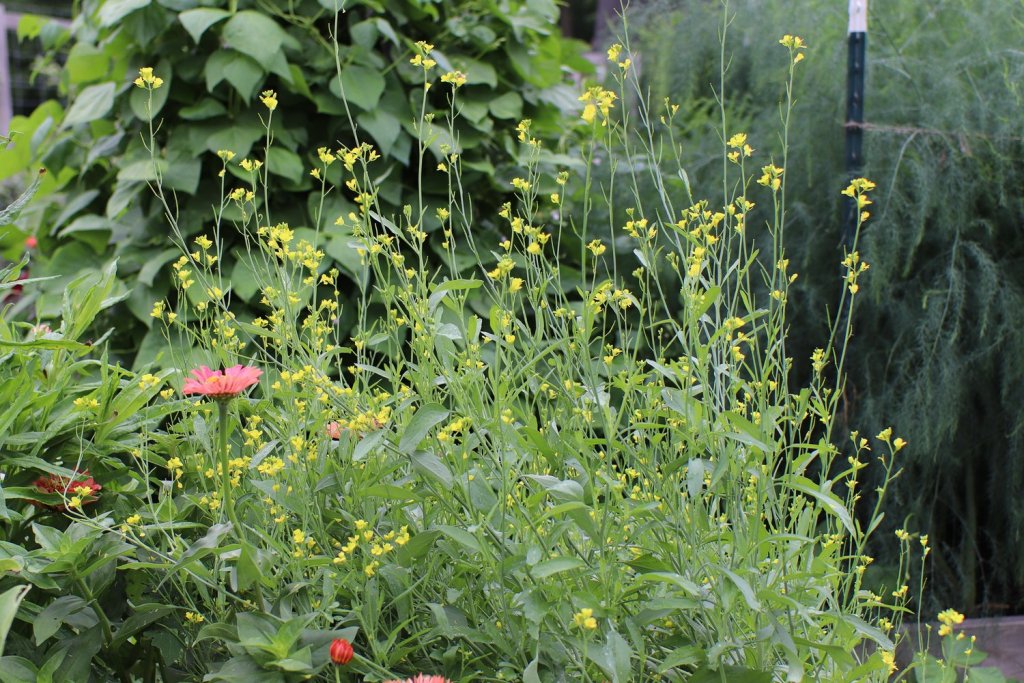
Flavor is also a huge factor in choosing which seed to grow. Most pickling recipes call for mustard seeds. And traditionally in stores, I’ve only seen brown mustard seeds. Black mustard seeds are more pungent (hotter in the mouth) than yellow so pack more of a punch.
I’ve grown both easily, and at 90 days to maturity I think they could even be direct seeded in many gardens. I do usually sow them in 2” soil blocks in mid- to late April for a late May transplant in the garden.
I highly recommend trying this seed if you’re curious about seeds and make your own pickles in summer.
Days to Maturity: 90 days
Plant Spacing: 12”-18” spacing for Black mustard; 8”-12” for Dijon. Black grows +4’ tall, Dijon 2-3’ tall.
Harvesting & Storing: Harvest when seed pods have formed and dried. It’s possible they won’t all be dried but when the majority are dried, I recommend cutting into 12” lengths and inverting into a paper bag. This will allow the pods to continue to air dry and as the pods fully dry, they may crack open and release the seeds, though I’ve found mustard seeds to need threshing, by means of being in a pillow and stepping on it or hitting against a brick wall then winnowing the chaff away from the seed.
Seed Sources: Since this isn’t as common of a garden crop, I’ve purchased seeds from smaller seed companies: Experimental Farm Network and Siskiyou Seed.
Sesame
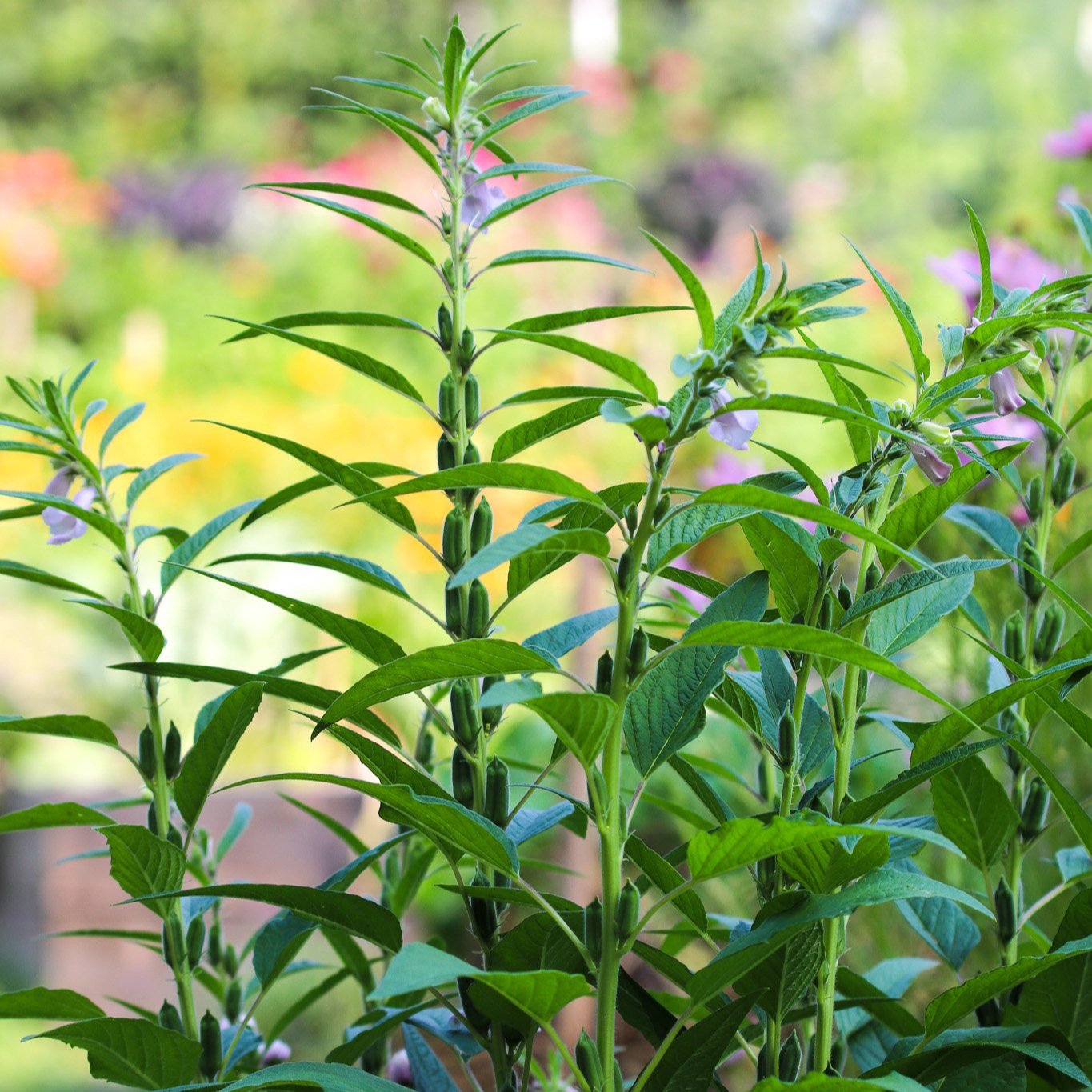
Sesame has been one of the more surprisingly easy tropical seed crops I’ve grown. The best part about it is that it’s a very beautiful flower, flowering all summer long from July – September. It’s tubular blossoms really attract the bumblebees who have to drive in and back out to get the goods.
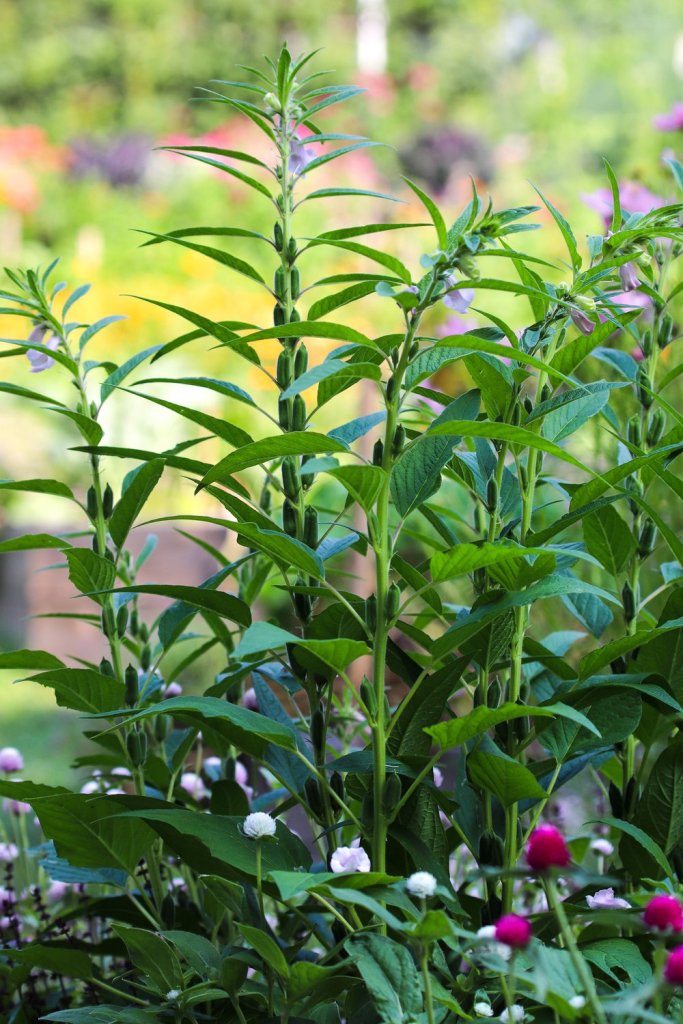
I am very curious if it would mature in time if I direct seeded it. You know I’m obsessed with direct seeding. It’s a 90-days to maturity plant, but with it’s heat requirement I haven’t yet been brave enough to go all in. But I’d be in zones 6 and warmer it would easily be a direct seeded.
For zones 4 and cooler, I’d recommend starting in mid- to late April for an early June transplant. 2” soil blocks or 3” newspaper pots would work well. They can be divided at transplanting — so up to a few seedlings per pot is ok. I plant them out about 12” apart.
Planting tip: I love to interplant sesame with other flowers. Because it tops out between 3-4 feet, it’s not bothered by things like tusli basil or calendula or sweet alyssum which will remain low in its understory. I wouldn’t plant it in full shade or even part shade and hope for good results. I tend to assume full sun for everything. It really gives the plants the best chance for success.
Days to Maturity: 95-100 days
Plant Spacing: 12” spacing, grows 3-4’ tall with multi-branching stems. Tends to flop over by end of season, likely due to weight of seeds.
Harvesting & Storing: Like with mustard, I harvest when seed pods have formed and dried, with a caveat. I always wait to harvest until the lowest seed pods (they flower from bottom up) have dried and started to open. You don’t need to have all seed pods open to harvest them. They will dry and cure in a paper bag. I recommend cutting into 12” lengths and inverting into a paper bag. This will allow the pods to continue to air dry and release their oily seeds as they naturally crack open. Store winnowed seeds in a glass jar for 1-2 years, if they last that long!
Seed Sources: These seeds also come from Experimental Farm Network: Monticello White Sesame and Black Sesame. Once you grow it, you will have plenty to save, eat, share, and grow again. You’ll never have to buy more seed.
Fennel
Not to be confused with Florence fennel, I purchased fennel seed this year. As in, it won’t bulb and I’ll let it explode into a raucous, all out wasp party and hope to harvest loads of seeds. It’s taken a LONG time for seeds to start showing up, which makes me wonder if I didn’t have the right pollinators until more recently. The first month or more of flowers all shriveled in an epic failure. But finally, in the last month or so, as the wasps do their late summer rounds and feast ravenously on these umbelliferous structures have the seeds started to form.
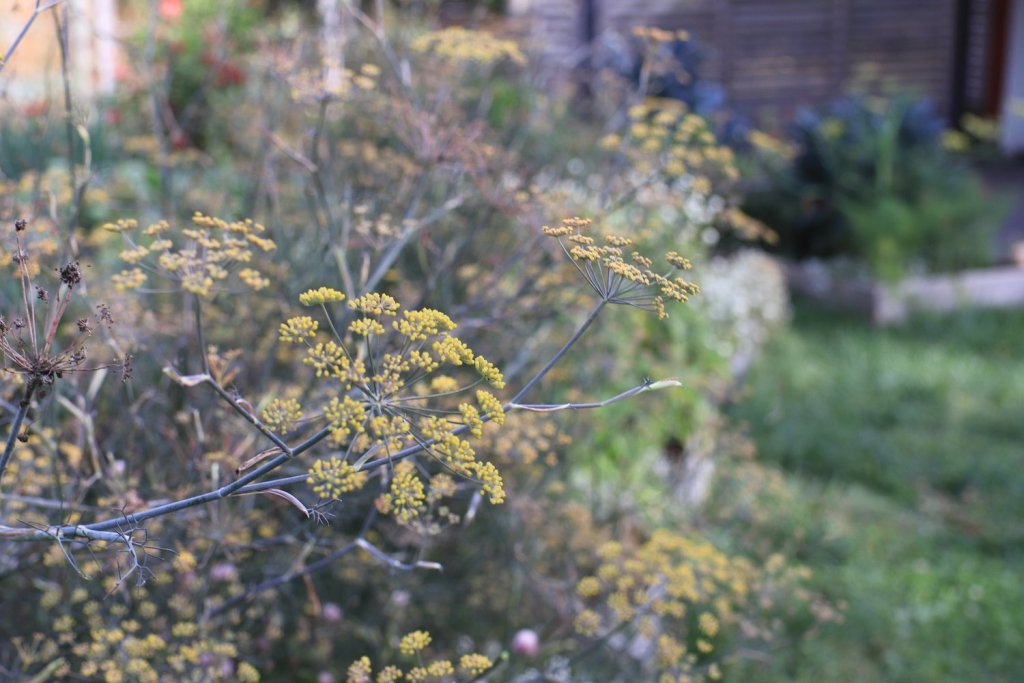
There’s no shortage of flowers, but the real question is: how much are 4 plants and a 4×4 space going to yield? Hint it’s not always just about the yield.
It takes up a lot of space for not a lot of output (in my limited experience), but if you love to blend your own spices, this might be a fun, hands off crop to try growing.
Note: I am just reading the fine print on these seeds, and they may be a perennial. So use even more caution with this one. than I mention below.
Days to Maturity: 100+ days
Plant Spacing: 12-24” apart, grows to 4’ tall
Harvesting & Storing: You can harvest this as an herb and a spice. Harvest leaves as an herb to add to dishes; for seeds, collect green to brown seeds as they mature. I imagine this could potentially be a source of weeding for many of you, so plant with caution!
Seed Sources: Siskiyou Seeds for the win.
Flax
Flax is a versatile, ancient crop. It’s a super food. It’s spun into linen. It’s oil is used as a varnish for furniture. And it’s a very beautiful and dainty flower.
I grew flax for the first time this summer. It was sort of a joke, because both John and I eat about an ounce of ground golden flax seed daily (high in antioxidants, short chain Omega 3’s, and tasty). So my thought was, hey, let’s grow our own. I wonder if I could grow enough for a day’s worth of consumption?
And here’s what happened. I started too few seedlings. I learned that flax loves to be overplanted. Plant it densely. They were like blue fairy dust in early July that were promptly and aggressively swallowed whole by the 898 Butternut squash vines in August. I suspect my yield directly suffered from this lack of “weed management” from the nearby winter squash.
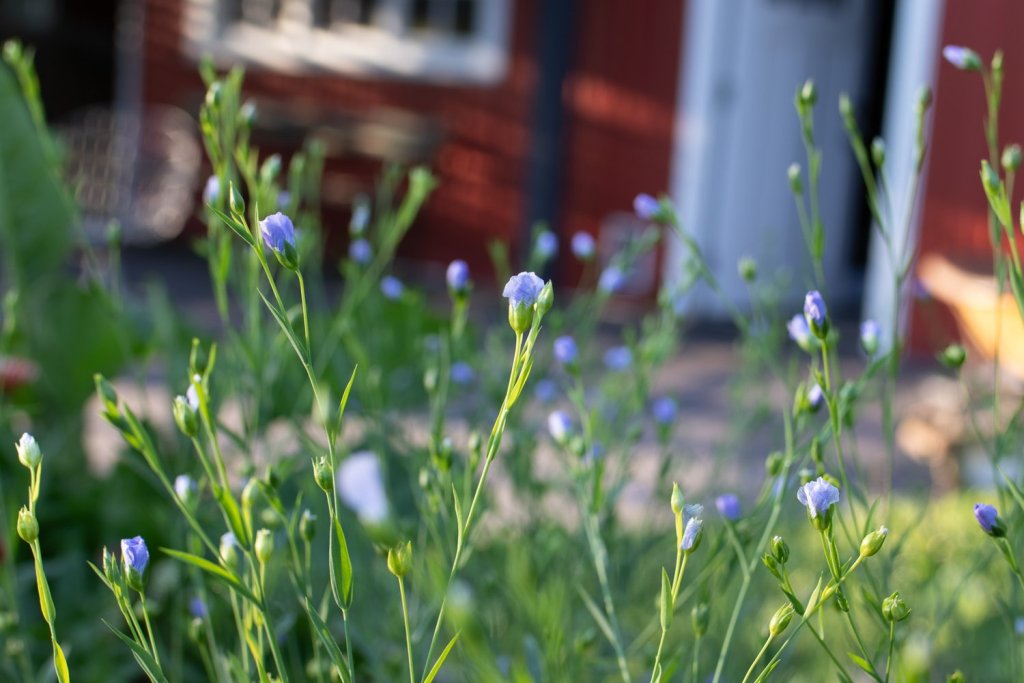
Flax being a delicate and short stature seed cannot compete with much of any weed competition so this is not an interplanter, especially with cucurbits or other large-leaved, shadow-casting vegetables (or flowers, for that matter).
I am very curious about the bast: the interior fiber that is used to spin linen. I will attempt to peel back the stems to see if I can find it! But more than anything, this seed felt much more like a cute flower in early summer, and even just for that, I think I’ll grow it again.
And, I have a feeling that with my neglect, I’ve already overseeded that garden bed for 2025 by my lackadaisical harvesting schedule which did not commence until, oh, a few days ago.
Planting Tip: Flax would do well direct seeded and can endure some frosts at seedling stage (short light frosts). Direct seed around your last frost date, and you should be good. Seeds should be covered, but plant no deeper than 1/3”
Days to Maturity: 100-110 days
Plant Spacing: 12” spacing, grows to 24” tall. Benefits from tight plant spacing.
Harvesting & Storing: Flax should stand in the garden until the stem and boll (it’s seed pod) have both dried. you can pull before an impending frost as long as 75% of the bolls have browned. They should easily thresh and winnow down. I’ll keep you posted on my approximate tablespoon (perhaps hopeful, at that) of flax I managed to harvest this week.
Seed Sources: Again, the theme here is supporting small seed farmers: Siskiyou Seeds.
Fenugreek
Fenugreek (or Methi) is another ancient spice used in many Asian and Middle Eastern. cuisines. Seeds were found in Tuthankamen’s tomb, and like flax, dates back many, many thousands of years. Interestingly, it’s in the Fabaceae family (the bean family). The leaves and seeds are used in the kitchen in some dishes.
We are huge fans of Indian cooking, and knowing how potent our homegrown sesame seeds and paprika taste, I really wanted to excel at this spice this summer. Alas, this was a flop. But I think I know why.
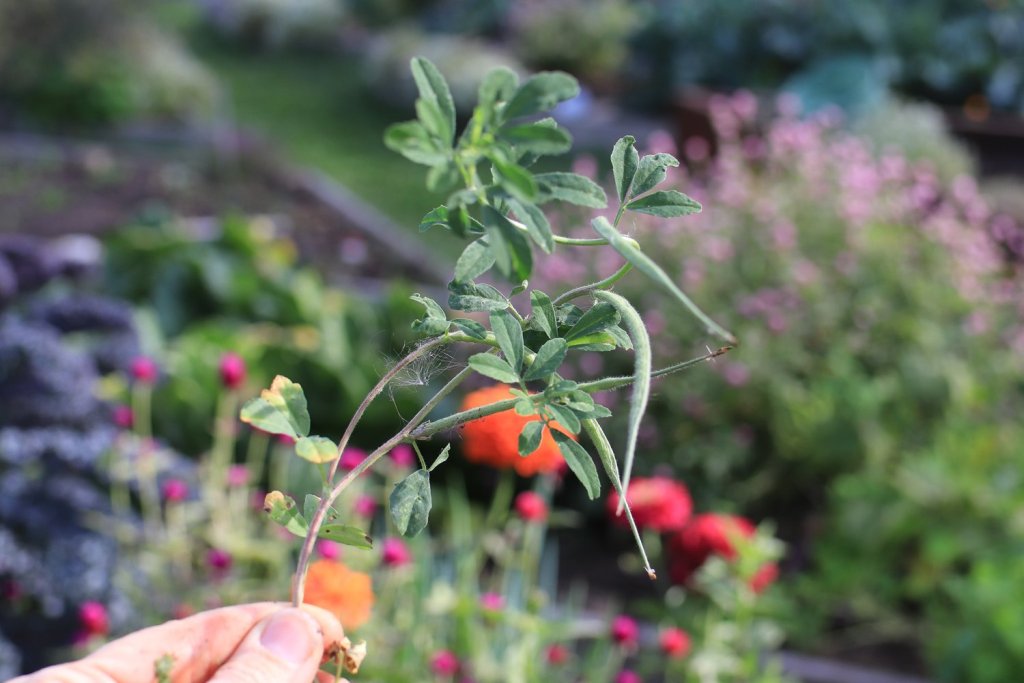
Trifoliate leaves and a “bean pod” make this fenugreek a relative to many in the garden. I just found this plant today, along with some self-seeded fenugreek growing in a crack in the patio … so clearly the plants made seed behind my back.
First, I didn’t give it enough room and it’s a short plant so got shaded out. I also may have started it too early, which I tend to do with new seeds, wanting to coddle and watch and marvel at them, having no knowledge or business trying to push their season all the while hoping my love and attention will help them succeed.
Second, from all I’m now reading about it — I prefer to grow things the first time blind, meaning I don’t read up too much on them except days to maturity and work back from that for timing — it hates to be transplanted. So, dear reader, please direct seed this one in early spring, when soils are in the 60s or warmer.
Days to Maturity: 90 days
Plant Spacing: 3-6”, grows up to 24” tall
Harvesting & Storing: You can harvest this as an herb and a spice. Harvest leaves as an herb to add to dishes; for seeds, let pods turn yellow and dry before harvesting.
Seed Sources: Siskiyou Seeds strikes again!
Nigella
Also known as black cumin or kalonji, this is plant name may also be known to you as Love in a Mist. However, they are not both edible, though they are plant cousins. This is Nigella sativa.
Honestly, I don’t even have business writing about this because the 2 seedlings I managed to transplant in with the flax were swallowed up faster than the flax. I saw a flower, once, and honestly moved on. Too busy a season to tend to such small plants. I am not giving up on this one, though, as I do love the flavor of nigella seeds.
This is another case where direct seeding, and not having competing vegetation should aide in my future pursuits. I will try again next summer!!!
Days to Maturity: 80 days
Plant Spacing: 6-12” spacing, grows to 12” tall; don’t interplant
Harvesting & Storing: Harvest single seed pods as they dry and invert into a paper bag. Store seeds in a glass jar.
Seed Sources: Siskiyou Seeds strikes again!
Cumin
Two years in a row I’ve cultivated adorable cumin seedlings and two years in a row they die when I transplant them. Or maybe they fade away, are forgotten, get under/overwatered, or foraged by pests. They are truly fragile looking plants, so I need to rethink how I grow them. Crowd them together? Attempt direct seeding, as seems to be the growing trend in this guide? Probably a little of both because this one needs it HOT and it’s the longest days to maturity. And, it doesn’t like to be transplanted. That’s a tall order for a Minnesota climate. Might need to try this in a container if I want to be successful.
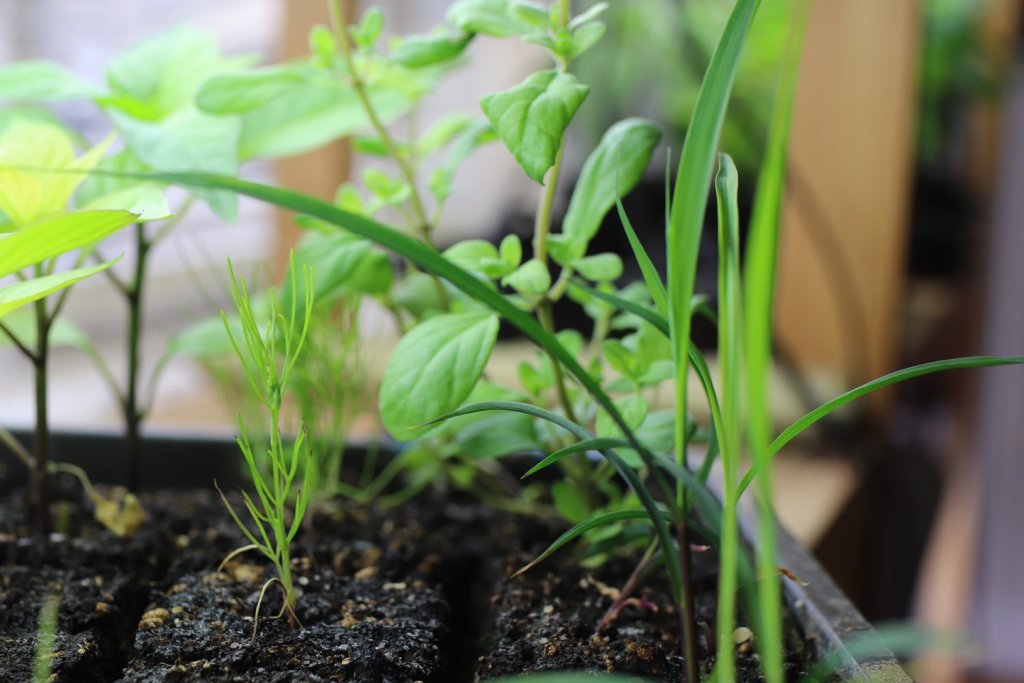
As seedlings, they almost look like miniature asparagus ferns. I swear my garden just swallowed them whole. Twice. It was ruthless.
Days to Maturity: 110-120 days
Plant Spacing: 6” plant spacing, grows to 6-12” tall; don’t interplant
Harvesting & Storing: Harvest as flowers dry. Invert into a paper bag. Store seeds in a glass jar.
Seed Sources: Johnny’s Seeds
You might also like:

Get updated by email whenever there’s a new post
Comments
If you’re a subscriber, you can discuss this post in the forums
Leave a Reply