
Your cart is currently empty!
The Benefits of a Late Spring
Get updated by email whenever there’s a new post
For the past 2-3 years, we have had early warm ups here. They are truly wonderful after a cold and dark winter, allow my earliest cold hardy crops to go into the ground before April, hasten our first harvest which has historically also been in April, and generally felt like a real upside to climate change for those of us in the stranglehold of a cold climate.
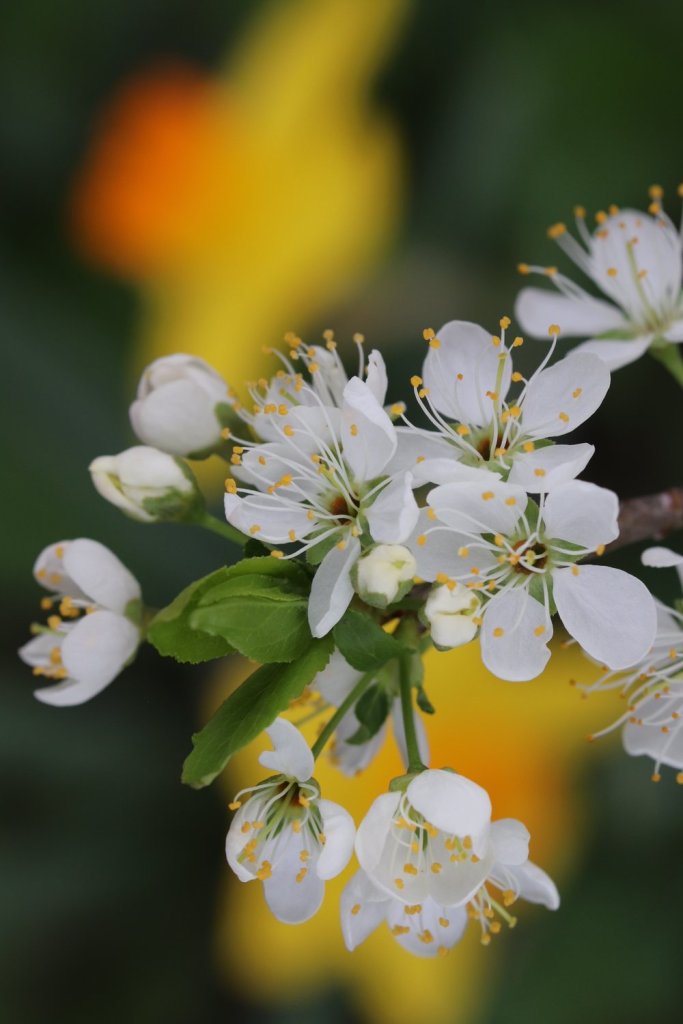
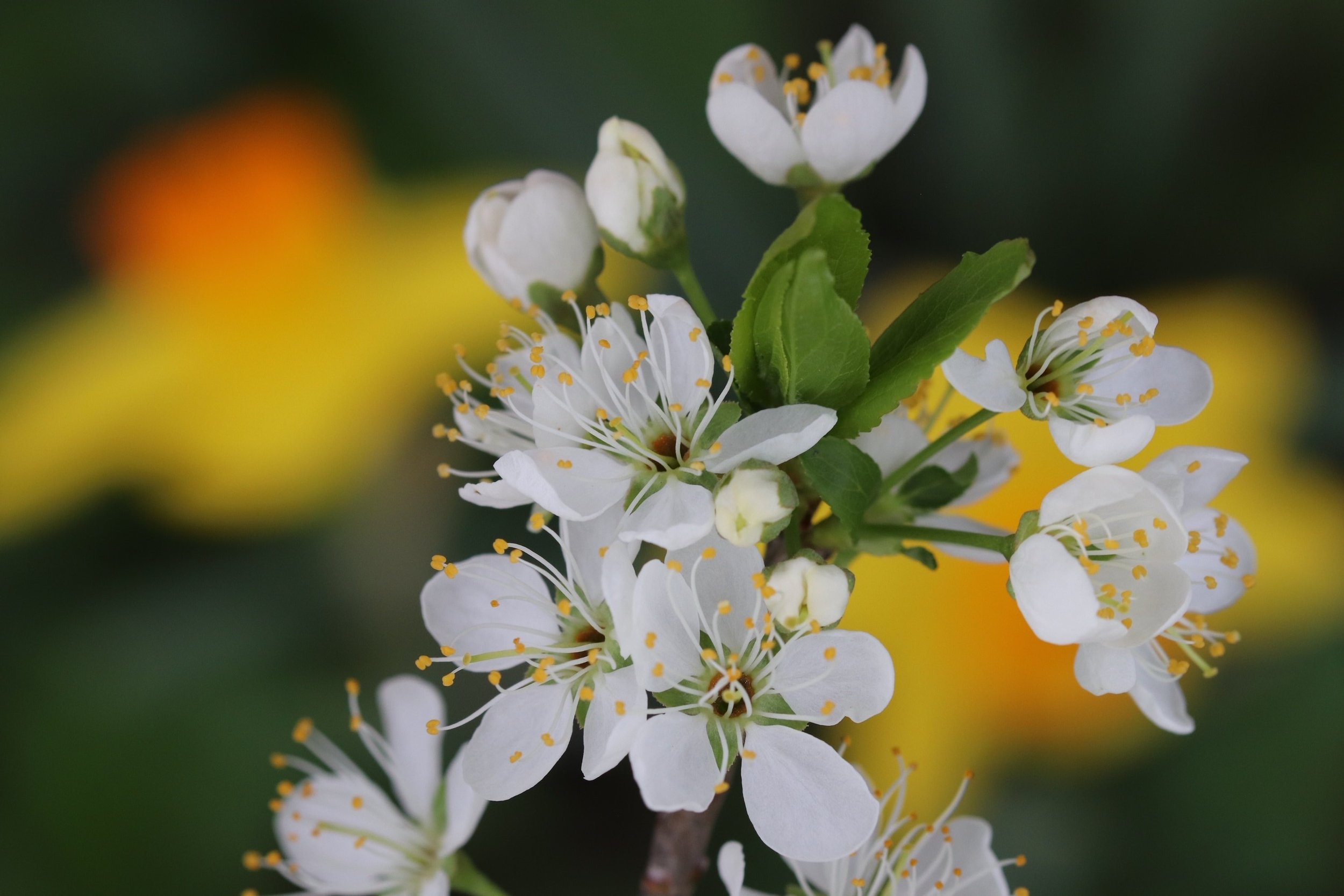
But there are as many downsides to an early spring as there are upsides. These tradeoffs crystalize most notably in our perennial garden, namely our fruit trees, shrubs, and berries. When we get stretches of warmth coupled by zero snow cover in March and early April, it emulates what late April is (or was), and irreversibly invites the fruit trees to bloom a little too early. We had frost damage to our apple and plum trees last year, though the plums were definitely more cold hardy than the apples and fared quite well. (However, the plum curculio ended up sneaking into the fruit and ruining our harvest.)
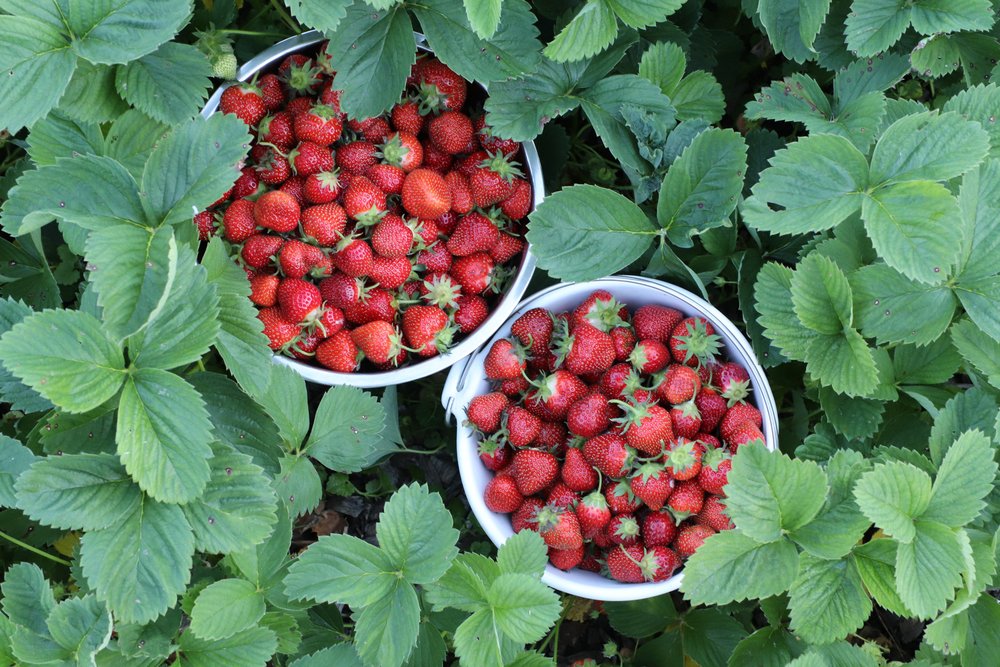
Additionally, our strawberries have been hit by a “late frost” before May 10 over the last several years, decimating our king berries. You know them as the barely-fit-in-your-mouth strawberries you end up fighting over when the bowl or container drops at the center of the table. I yield to littler fingers and prepare to battle with a fellow adult, but maybe that’s just me. The first flowers of June bearing strawberries are the largest, and the rest are diminished in size.
It’s looking like a very king berry kind of June is on the horizon, and that will make for some very content and satisfying bowlfuls in June and July. In contrast to many seasons where we had strawberries flowering in April, our strawberries are JUST starting to flower. This means zero will be lost to frost which hopefully also means a return to our epic 170 lb harvest of 2019, which produced plenty to enjoy fresh, share, make jelly, and freeze for smoothies. We have a very big strawberry habit and we are hoping it’s a big year.
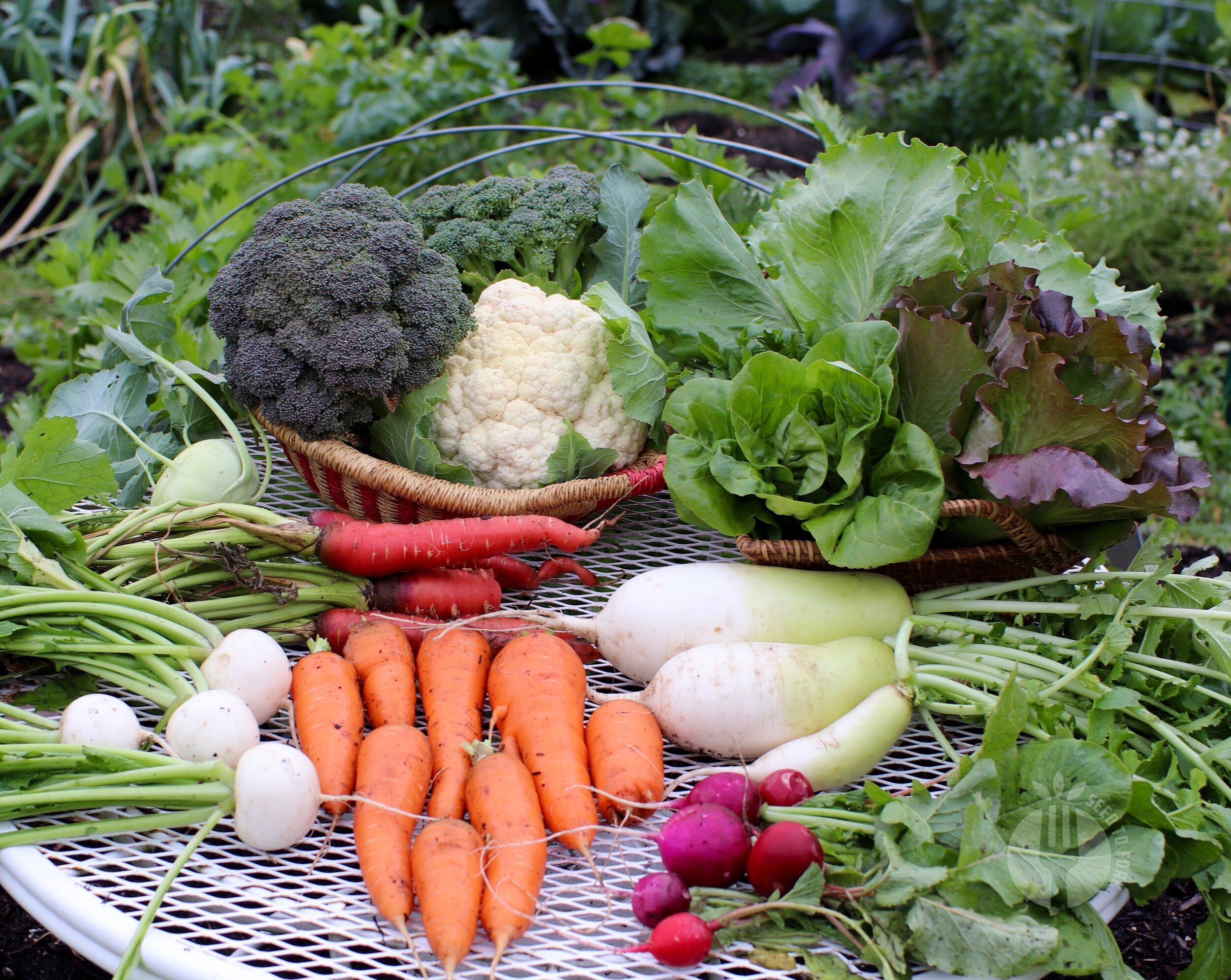
These are the intensifying challenges we face as gardeners, how to navigate growing what we love while considering the more volatile climate that we each grow alongside. We could spend our precious hours trying to protect such flowers during inclement weather, and probably if I were still gardening on our small city lot with just a few fruit trees, I may seriously consider such measures.
But gardening on the borderline “farming” scale we do makes it unrealistic, especially because it’s mostly just me doing this kind of work. So we take our king berry years as bonuses, as we won’t be covering the crops with floating row cover if late frost is expected.
On top of sheer luck, we also plan and plant perennial fruits now that are more cold hardy than we used to, focusing on zone 3 hardy plants instead of zone 4. The hardier the plants, the later they will flower — or that is our hope. We’ve added pears, apricots, honeyberries, lingonberries, and apples to our perennial food orchard in the past year, all hardier than our growing zone.
What silver lining of a late spring are you able to appreciate in your growing zone? Have you begun to evaluate your growing zone and climate change?
You might also like:

Get updated by email whenever there’s a new post
Comments
If you’re a subscriber, you can discuss this post in the forums
Leave a Reply