
Your cart is currently empty!
June Monthly Task List
Get updated by email whenever there’s a new post
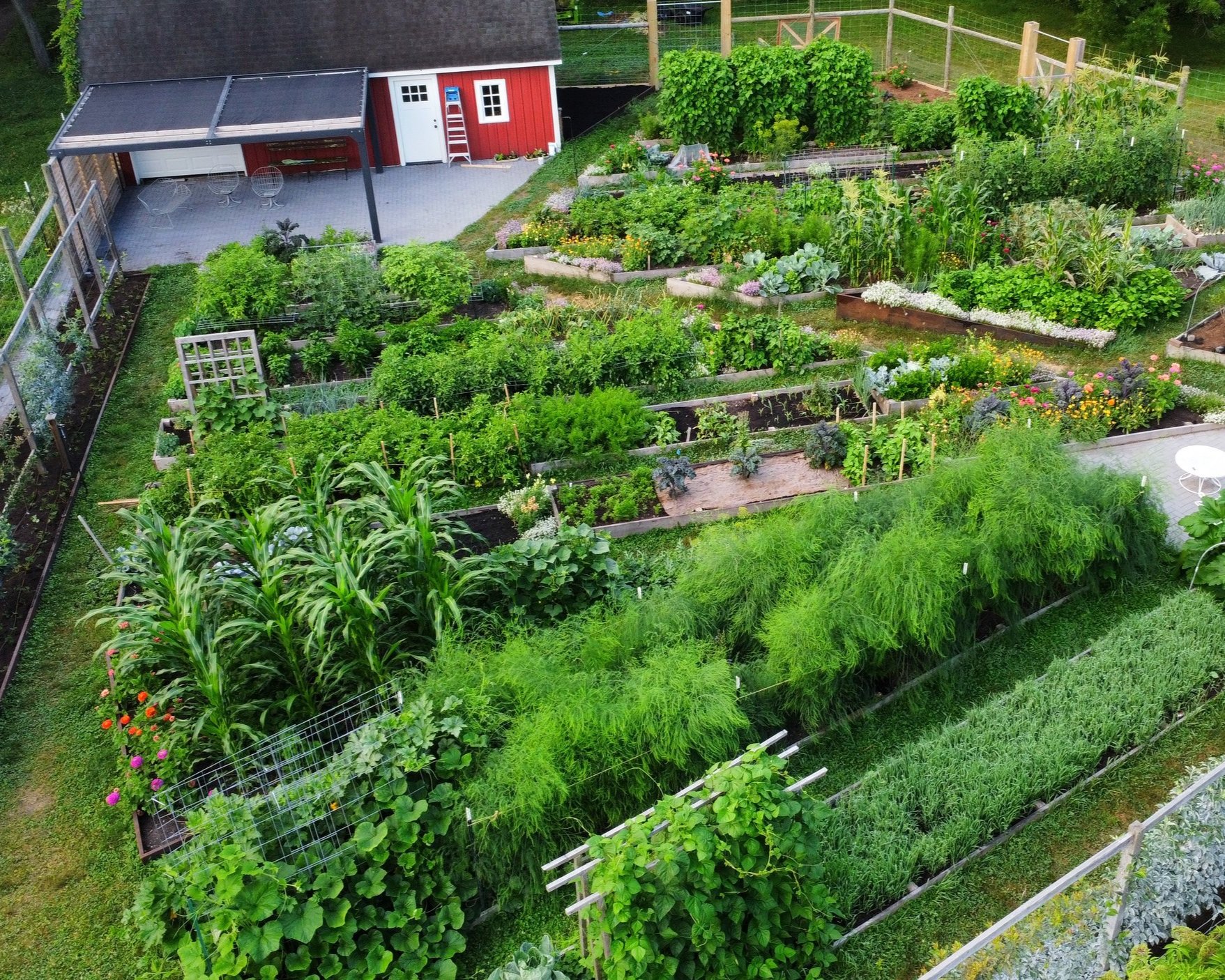
June is when the growing season and garden makes a giant leap from plants to planted. From wispy to lush. From flowering to harvested. I’ll even transition some beds this month from spring to summer crops. It’s the month we finally taper off grocery shopping for vegetables for the season, save a few odds and ends here and there. We’re currently still buying fruit, carrots, mushrooms, onions, and — gasp! — cabbage, but that’s about it. It’s nothing short of awesome.
June’s also when I transplant out all my indoor started hot season cucurbits — cucumbers, summer and winter squash, and melons. They are true heat lovers, and this belabored spring weather is not a friend to them. I did transplant them out over the weekend (June 8), and I may have mild regrets about it. I’ve watched cucurbits struggle during a cold, wet spring/early summer, and that’s exactly the kind of season we’re having. If I have to replant, I’ll direct seed later this month.
What’s In Season
We’re finally in harvest season. The spring garden has been slow to kick in, largely because I lost my first trays of early brassicas and had to start over in mid-March. Then the pests in the raised bed soil further dampened my spring garden. But, we’re finally harvesting food and centering our meals around our seasonal produce.

We continue to harvest and share lots of asparagus, cilantro, arugula, and radishes. A few select neighbors have received a head of iceberg lettuce. We’re enjoying the most meager broccoli from the variety, Piracicaba; it produces smaller heads, but loads of side shoots. It’s going on sourdough pizza tonight.
We’ve got a second cauliflower nearly ready for harvest, along with one of our napa cabbages (which are not doing well … I’ll go back to hybrid varieties next year).
The strawberries are just rolling in and we enjoyed them fresh with whipped cream for dessert last night, possibly the simplest and most divine dessert in the world.
It won’t be long before we have string beans — I see flower buds on both our bush and pole beans! Fennel is sizing up, as are the beets.

Garden Tasks
I have taken up a lover. Their name is weeding. I feel lost without some time kneeling beside a bed, carefully digging deeply and pulling up the rhizomes of the quack grass or lifting errand milkweed plants (after checking for eggs) out of beds. It’s a way to keep me outdoors, in the space I carefully cultivate, and also keeps me off my devices which is a blessing too.
I’m trying to dedicate up to 5 hours a week for weeding and mowing this spring. Speaking of which, it’s been almost 10 days so it is time to edge all the beds and mow. I’m adding that to my list this week. Once it warms up more, the cool season grasses will slow their growth. I’m looking forward to (that) summertime when it arrives.
Setting Up Trellises
I haven’t set up our tomato trellises yet, but that is at the top of my list once I complete all my computer work!
Supporting the peppers and determinate tomatoes is also high on my list. I am going to use the horizontal panel approach for peppers this year, which is the same method we’ve been using on our tomatoes for the last 2 years.
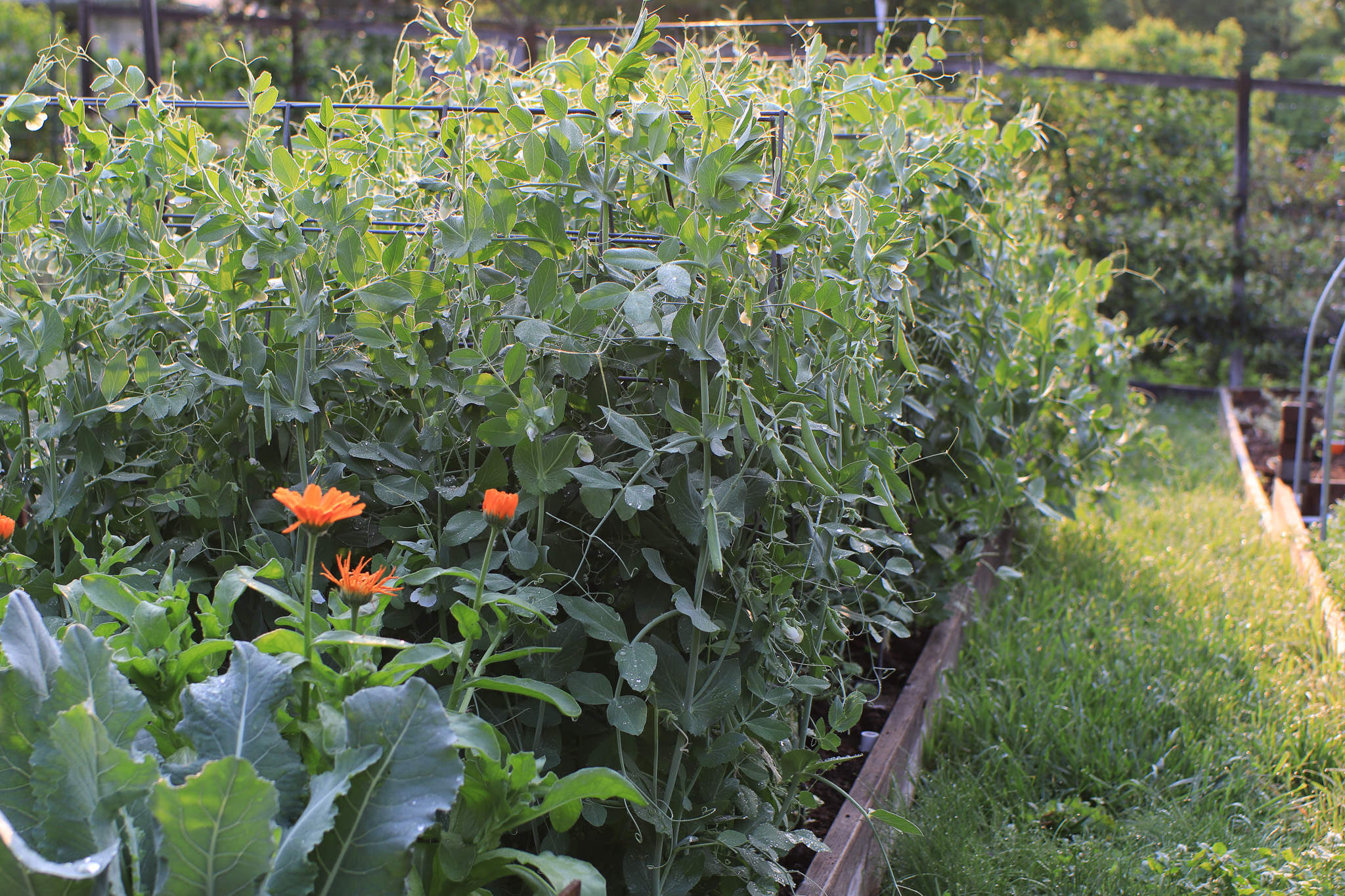
Tying up the peas and beans is a weekly task too. I basically use the same method for both, just the peas need taller stakes.
Pruning the tomatoes will soon be a weekly task, once I get them trellised! We are in a rainy period so it’s going to be tricky to find a good, breezy and dry day to get it done. This is essential to minimize fungal spores entering through the wounds caused by pruning. Low dew points and breezy are the best days to prune tomatoes.
Keep an Eye out for pests
I’m on the lookout for cabbage loopers and cabbage whites, Colorado potato beetles, three lined potato beetles, asparagus beetles, and keeping a close eye on the ants and cutworms that are currently plaguing me.
If you watched this past week’s video, you know that I applied beneficial nematodes to most of the garden last week.
Thinning the Fruit Trees
We just did a difficult task over the weekend: removed 2/3 of the fruit on the haralson apple tree. Every single bud flowered this spring. It was epic! But trees cannot sustain that many fruits, so one must remove most of the fruit in order to yield lots of healthy fruit.
If you have a tree that has lots of clusters of fruit, carefully trim off the smaller fruits of the cluster and leave the largest, healthiest looking one. I’ll be sharing more specifics on this in this week’s videos coming out Saturday, June 14.
Hilling Potatoes
Potato hilling helps ensure the plants have maximum opportunities to form tubers underground. This is why I dig a trench and plant my potatoes deep and then hill them up. You can also plant them at ground level and hill them up with mulch or soil too. This task is always a June task, and I let the potatoes tell me when it’s time. It’s time when the plants are 6″ or more above the height of the raised bed. It came up a few times in this week’s videos, and I showed completed hilling toward the end of this video.
What to Sow Now
As mentioned, indoor sowing my fall transplants is high priority.
Lots of direct seeding from here on out though, which requires diligent watering for germination. Just a note: your in line irrigation system is not sufficient to aid germination, especially in things like carrots. I always hand water direct seeded crops until I see germination, sometimes twice a day in a heat wave. Once I see germination, I can back off a bit — down to once a day — until I am satisfied with complete germination.
Keep sowing those herbs, cilantro especially, every few weeks for a steady supply. Just 12” of densely planted seeds is all one needs for a few weeks of good harvests before it bolts.
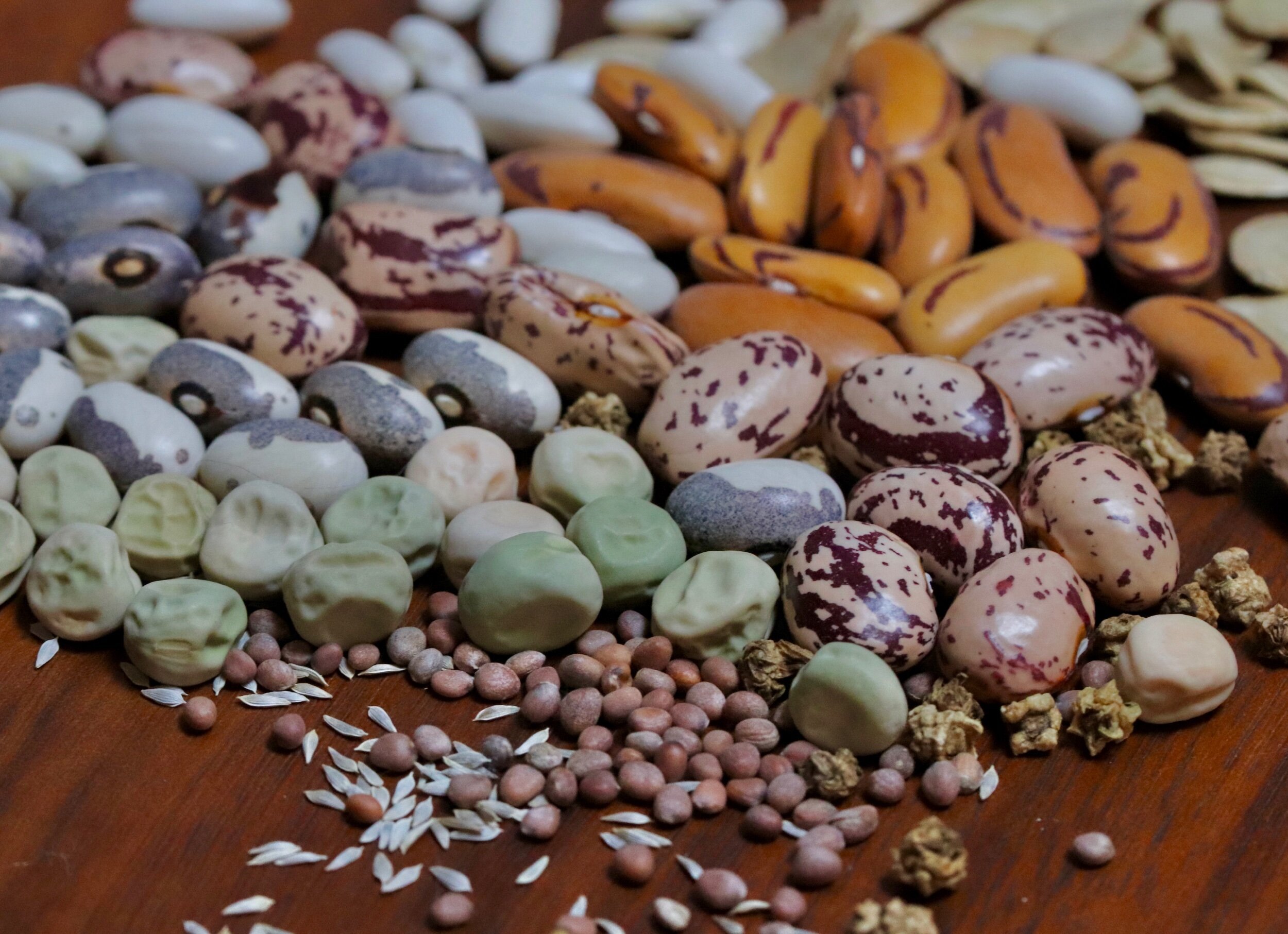
Some longer season crops can still be sowed, even direct seeded this month, but make haste. This includes potatoes, melons, and things like popcorn or pole beans. Think crops that take a full 3 months from seed to harvest (that 3 months puts my calculations into mid-September! Eeek, please not yet.)
Indoor Sowing
- Cabbages
- Cauliflower
- Celery (last call for fall garden)
Herbs
- Basil, all types
Direct Seed — cool and warm-season crops
These veggies can be sowed any week this month:
- Green onions
- Arugula
- Cilantro
- Bok Choy
- Kale
- Head lettuce (heat tolerant)
- Beets
- Carrots
- Fennel
Herbs
- Dill
- Cumin
- Fenugreek
- Mustard
- Nigella
Direct Seed — warm season
- Beans — dry, snap (last call for pole this month)
- Corn — sweet, popping, or flour (last call for popcorn or dry corn is mid-June)
- Potatoes — final call for planting potatoes this far north is June
- Cucumbers, squash — can plant these anytime in June
- Melons — watermelon and muskmelon — last call for planting these is mid-June
Flowers
- Zinnia
- Cosmos
- Alyssum
- Nasturtium
- Sunflower
These flowers I’d direct seed in June if you haven’t started any and want a pop of color in August and September. There’s plenty of time for them to flourish. I omitted snapdragons and calendula, both cooler season flowers, though they would make a great comeback/garden refresher as a September/October flower as they are both tolerant of light frosts.
What to sow later in June
My final indoor-sowed brassica succession will get sowed in late June, including broccoli, main season cabbages, and more beets.
I hope you find a pace at which your garden will delight and encourage you to succession plant your favorite things all summer long.
You might also like:

Get updated by email whenever there’s a new post
Comments
If you’re a subscriber, you can discuss this post in the forums
Leave a Reply